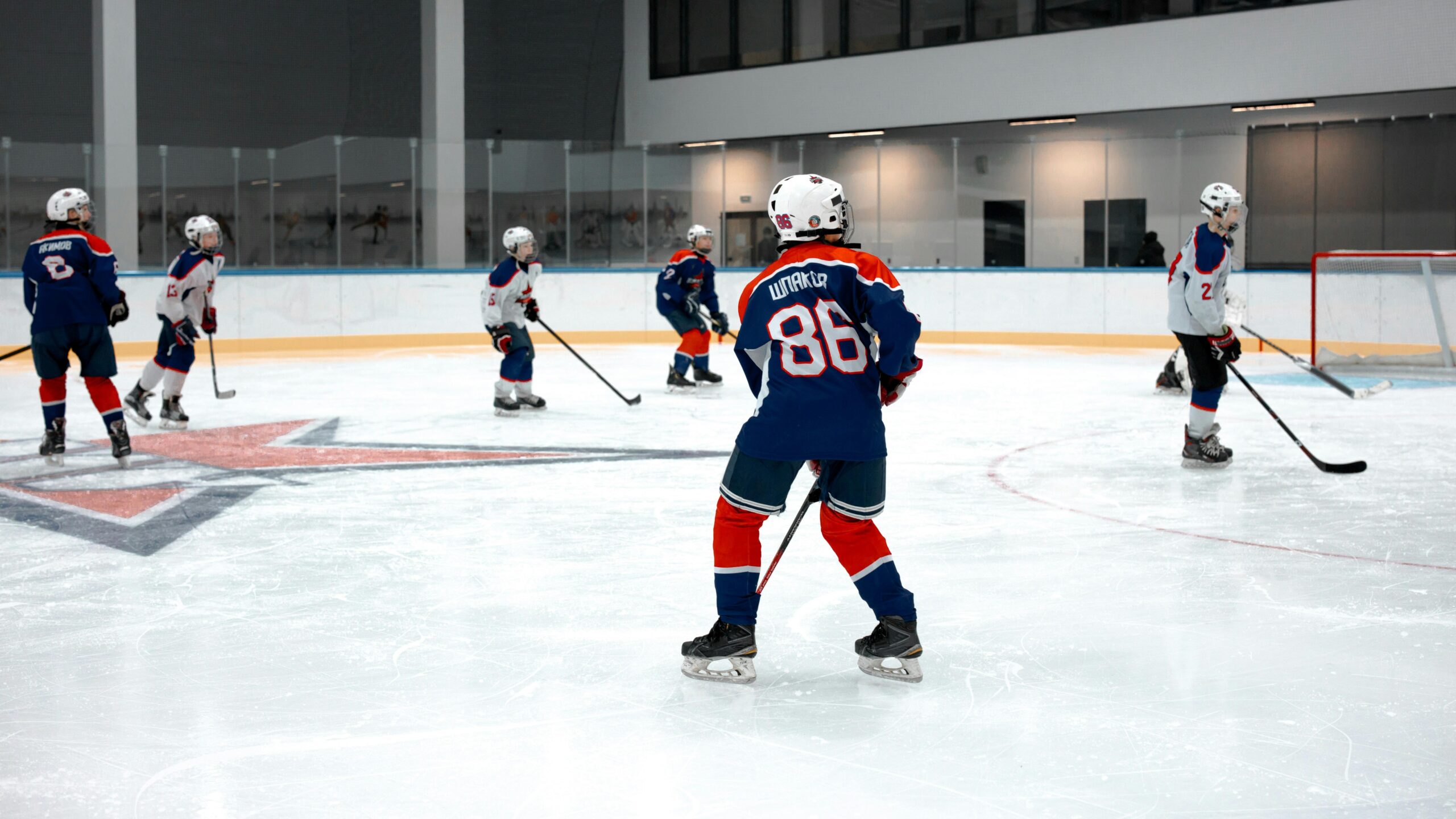
Image credit : @ron-lach via pexels.com
A profound generational shift is, somehow, changing the tactical and cultural fabric of international hockey. Now you’ve got Generation Z athletes born between 1997 and 2012 and they’ve basically sped everything up, forcing a kind of full reset of traditional defensive systems. Also they’ve chipped away at those old, rigid institutional norms that ruled the sport for decades. With a core of hyper-technical stars leading the way, this generation is turning hockey from pure attrition into this high-speed show, where individual expression meets analytical optimization.
The Mechanical Evolution of Play
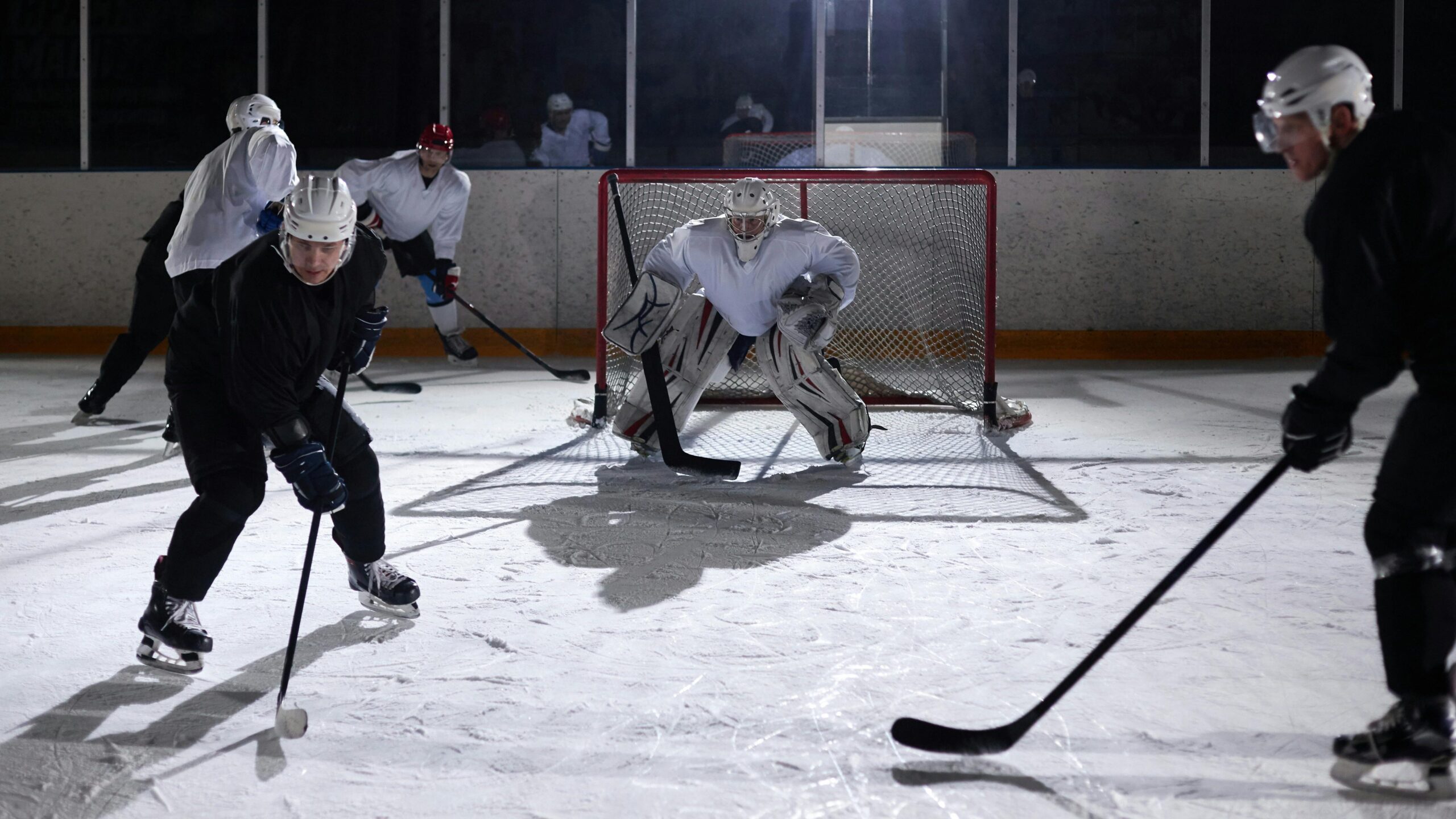
The most obvious change with Gen Z players is the new mechanical inventiveness, often described as “skill-first” hockey. Instead of leaning hard on the old north-south puck dumping, plus that board grinding vibe, these younger athletes come to the game with a focus on lateral movement and puck retention. Things that used to be seen as rare, or just too flashy, like the “Michigan” lacrosse-style goal, those intentional bank passes off the back of the net, or deceptive no-look chip passes now they’re practically everyday tools in a modern offense.
This isn’t just random flair. It comes from childhood development that’s been pretty specialized and year-round, where small-area games are prioritized more than full-ice scrimmage sessions. Training in tight spaces builds elite cognitive processing speeds, and stick-handling mechanics that feel almost unfair. So they can pull off high-danger plays in traffic, with almost no time and no space. And because of that, the old “clog-the-middle” defensive setups look less relevant, meaning coaches are forced into more fluid man-to-man coverage structures, whether they want to or not.
Advanced Metrics and Data-Driven Identities
Unlike earlier groups that leaned on subjective coaching and “gut instinct,” Gen Z athletes grew up while tracking data and advanced analytics moved from niche to standard. Players often keep an eye on their own micro-statistics, like expected goals (xG), high-danger passing completion rates, and skater velocity metrics. That kind of data upbringing changes how they even frame their role on the ice, and not in a small way.
They don’t just judge success with classic box-car stuff, like goals and assists. Instead, younger players tend to gravitate toward efficiency and possession metrics. That awareness shows up as smarter positioning; Gen Z forwards are statistically less likely to throw low-probability shots from the perimeter. They’d rather hold the puck and exploit lateral lanes inside the opposing defense. So teams that field more younger rosters often generate higher cross-seam passing frequency, plus better shot quality. Which then means veteran defensive pairings, especially the ones stuck in older reads get hit with quicker regression.
Dismantling Institutional Norms
Beyond what happens on the ice, Generation Z is rewriting the locker-room culture and international hockey used to demand total conformity, strict hierarchy, and basically erasing individual personality. Now younger players are actively breaking those expectations, bringing in a distinct vibe tied to personal branding, social media presence, and fashion into the professional environment, it’s a lot more visible than it used to be.
That shift has also made many modern clubs feel more inclusive and communicative. Gen Z athletes lean toward mental health resources, clearer communication from coaching staff, and collaborative leadership models instead of the classic authoritarian coaching style. And by rejecting the whole “grit-and-silence” mindset that older eras loved, this generation is making sure the future of international hockey isn’t only faster and more analytically complex, but also culturally distinct in a way the sport hasn’t really seen before.
About the Author