
Image credit : @nhlhistory, @nhlmedia via instagram
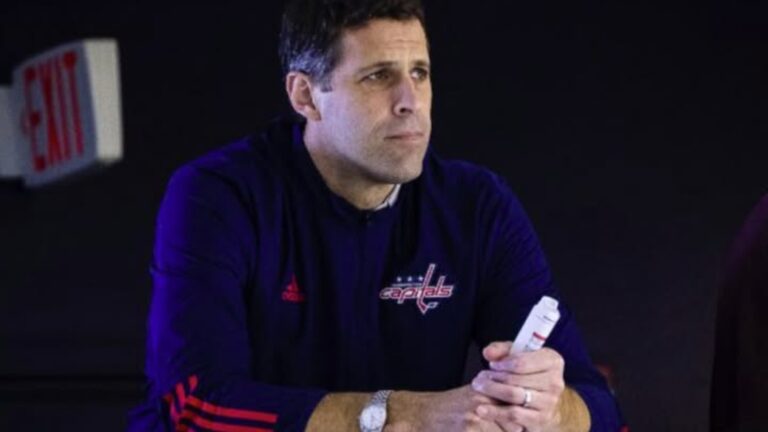
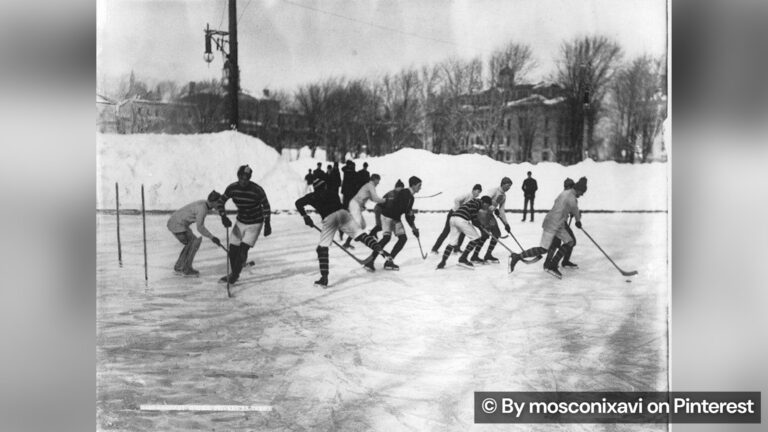
The whole road to hockey stardom is usually drawn like this straight line elite junior leagues, then the bigger winter sport markets, then those shiny draft combines where everyone pretends they’re not nervous. But a bunch of the most important names in international and pro hockey didn’t start in any “normal” lane at all. When you look closer at where they came from, you see this stubborn tactical flexibility, plus real skill growing fast, even when the usual developmental systems aren’t there.
Wayne Gretzky And The Wha’s Financial Gamble

Wayne Gretzky is treated like the cornerstone of the modern Edmonton Oilers era, but his pro beginning wasn’t at all what you’d expect. Back in 1978, the NHL had a hard age limit, no signing players under 20. So the rival World Hockey Association, the WHA, tried to turn that into a weapon, and they went after underage talent like it was a plan, not a prank.
Gretzky was only 17 when he jumped in, and he didn’t even try to go through the usual NHL pipeline. Instead he signed a personal services agreement with the Indianapolis Racers. His stint in Indiana was short, just eight games but then the Racers started getting crushed by money problems, and the team had to move his contract along, eventually selling it to the Edmonton Oilers. At that time the Oilers weren’t some established NHL mainstay yet, they were still in the WHA.
Then the WHA collapsed and merged with the NHL in 1979. And that strange doorway Gretzky used ended up rewriting hockey’s story, showing that elite hockey sense can sometimes slip right past the big-league “do not enter” rules.
The Non Traditional Surge: Auston Matthews And The Desert Route

In the current hockey age, the sport has spread more geographically, so you get top level talent from places people once said were hopeless for winter games. A clean example is Auston Matthews of the Toronto Maple Leafs. Instead of learning on ice ponds in Ontario or Minnesota, Matthews built his base skills in Scottsdale, Arizona. Desert climate, no winter mythology, and still somehow he became elite anyway.
His early development leaned a lot on indoor rinks and a youth program that showed up after the Winnipeg Jets relocated toward Phoenix and also, rather than riding the typical path through the Canadian Hockey League or going the NCAA route, Matthews picked a more unusual option for an elite North American prospect: during his draft eligible season he played professionally in Switzerland with the ZSC Lions. That decision put him around grown-up defensive structures and tactical habits earlier than most players get. So when he finally arrived in the NHL, he already had the physical read, plus the mental steadiness, to look instantly dangerous.
Anson Carter And The Collegiate Pipeline Nobody Talked About
The idea of multiple pipelines also shows up in Anson Carter. He came up from a quieter regional setting and still ended up becoming an international figure. Carter grew up in Scarborough, Ontario, and he didn’t follow the well lit Major Junior trail that usually gets you automatic attention from scouts. Instead, he committed to Michigan State University, and he used the college path to shape and polish his power forward style. That meant less immediate spotlight from the professional world, and more room to grow.
His college era fed into an 11-year NHL career, but his biggest leap happened internationally and at the 2003 IIHF World Championships, Carter scored the gold medal goal for Team Canada in overtime against Sweden. It was historic, and the goal was reviewed before it officially counted. Carter’s journey, from an underestimated collegiate recruit to an established NHL player, set a marker for later players. It suggested that alternate development routes can absolutely produce clutch performers who handle international pressure without folding.
About the Author