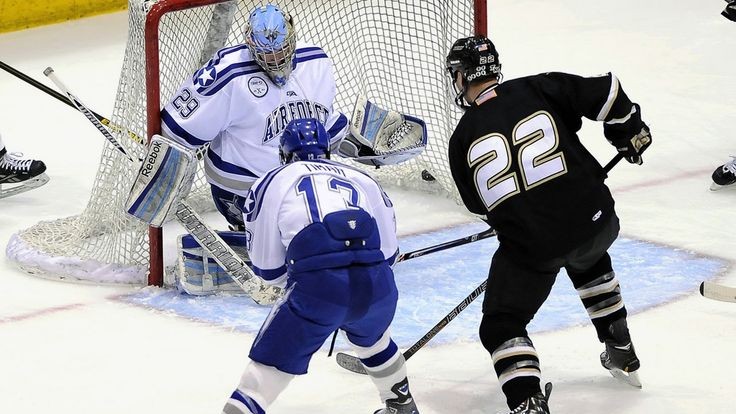
Image credit : @crossice via pinterest
The history of USA Hockey keeps getting written in this strange way, like the space between huge wins and full elimination is measured in fractions of a second. Sure, you have tactical systems and conditioning, they set the speed, but the real legacy thing mostly gets forged when the arena clock is about to hit zero, or close enough you can feel the tension in your teeth. From college underdogs to the absolute top tier of world competition, late-game execution, when everyone is pressed, has delivered some stories that feel like they won’t quit on American sports pages.
The Pre-Miracle Spark, Bill Baker in 1980
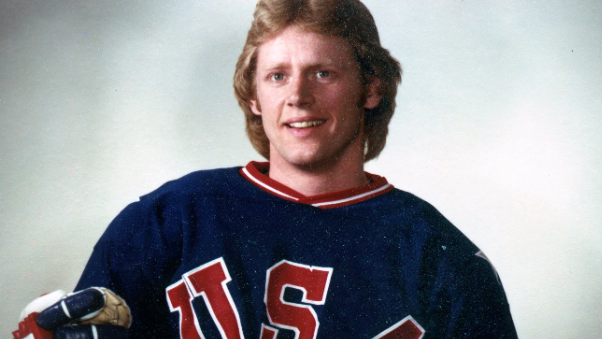
Even if the “Miracle on Ice” win over the Soviets is the headline everyone repeats, it wouldn’t have happened the same way without a smaller, last-second equalizer a few weeks earlier and on February 13, 1980, the United States Men’s Olympic group played Czechoslovakia in the opening round of the Lake Placid Games. They were down 2–1 late in the third, and the young Americans, basically collegiate amateurs, were staring at elimination already, before the medal round even had a chance to exist.
With one second showing on the scoreboard, defenseman Bill Baker got this desperate pass from Mark Pavelich at center ice and he fired a 55-foot slap shot right through a cramped defensive lane. He beat Czech goalie Jiří Králík just as the final buzzer went off and that dramatic 3–3 tie gave the U.S. a critical point, protecting the run they needed to move through the bracket and then line up with the USSR. Baker’s buzzer-beater is still remembered as one of the defining moments that kept the American Olympic run alive.
Parity in Vancouver, Zach Parise’s 2010 Equalizer
Some 30 years later, Team USA ended up in another do-or-die situation at the 2010 Winter Olympics in Vancouver. In the Gold Medal game, with Canada’s roster stacked, the Americans were down 2–1 with a final minute still on the clock. When the U.S. pulled goaltender Ryan Miller for an extra attacker, the offense leaned hard into a nonstop forecheck, pushing against Canada’s disciplined defensive rotation.
With 24.4 seconds left, Patrick Kane carried the puck into the attacking zone and it kicked off one of those crease scrambles you can’t really rehearse for. Forward Zach Parise grabbed a loose rebound off Roberto Luongo’s pads, then slipped the puck into the net, quieting the crowd and forcing sudden-death overtime. Canada still took the gold later, thanks to Sidney Crosby’s extra-frame moment, but Parise’s finish stays like a reference point for doing the job when pressure turns structural, and it also showed how American homegrown talent had been growing on the international stage.
The Modern Era and the Search for Another Defining Finish
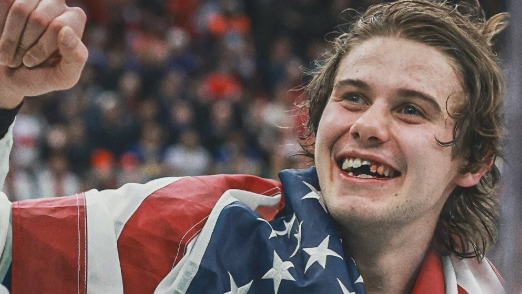
That taste for dramatic endings has continued into the modern era of international hockey. As the United States keeps developing younger high-skill talent through NHL and international pathways, players like Jack Hughes have become symbols of the country’s evolving offensive identity. Fast transition play, aggressive puck movement, and individual creativity now shape much of the American approach against elite international opponents.
Recent international tournaments have also reinforced how narrow the margin is between winning and elimination at the highest level and overtime hockey, especially under modern international formats, places enormous pressure on recovery, spacing and split-second decision-making. For USA Hockey, the pursuit of another Olympic gold medal remains tied not only to talent depth, but also to the ability to deliver under extreme pressure in defining late-game moments. The standard created by the teams of 1980 and 2010 still hangs over every new generation trying to add another iconic finish to American hockey history.
About the Author