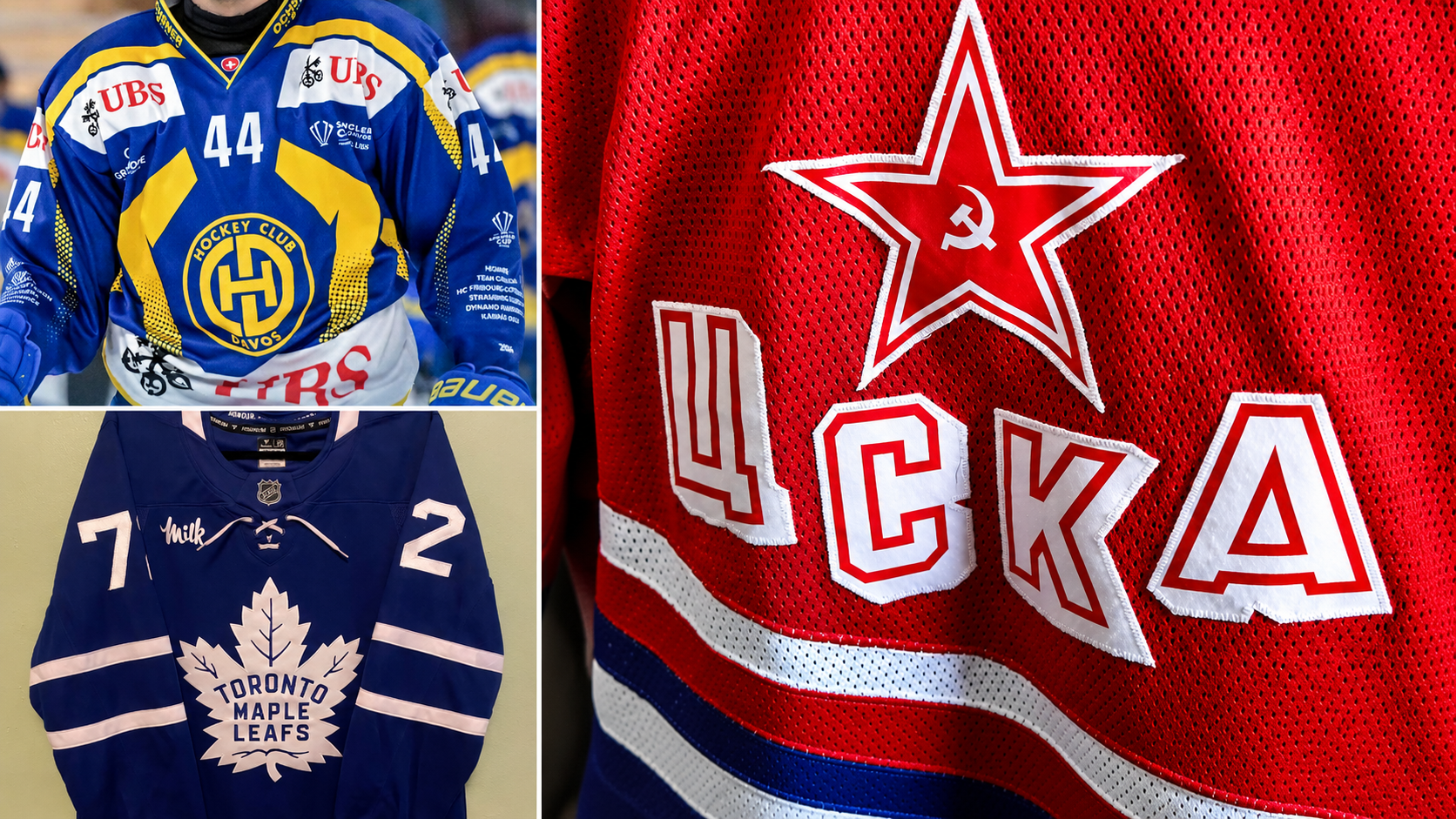
Images credits : @jersey_fanz , @the.jersey.giant and @fiveforfightingauthentics via instagram
Defining “history” in professional hockey is tricky, because you can’t just stare at a box score and call it a day. You have to look deeper into how long an organization has actually survived, what it means to people culturally, and whether it’s built for winning, not just flashing for a season. From the Original Six days in North America, over to the alpine rhythms you still see around Switzerland, some franchises have moved past being “teams” and started acting like stewards of the sport’s memory. As of May 15, 2026, these orgs keep setting the tone, even if the league changes around them.
The Montreal Canadiens: A Blueprint that Never Really Stops

Founded in 1909, the Montreal Canadiens still sit as the most layered, most historic franchise in hockey. With 24 Stanley Cup championships, the “Habs” are the measuring stick, and it’s hard to argue with that. But their story isn’t only a pile of trophies. It’s also a cultural pillar in Quebec, where hockey means more than entertainment, it’s tradition, identity, and an inherited pressure. Right now in 2026, they’re showing that institutional depth again. Montreal’s younger core has continued drawing attention, reinforcing the franchise’s long-standing reputation for playoff hockey at the Bell Centre. In that mix, younger building blocks like Alex Newhook and Lane Hutson represent the next wave of talent carrying the franchise’s playoff identity forward.
The Toronto Maple Leafs: Centuries of Loyalty, plus Real-World Power
If the Canadiens are the trophy standard, the Toronto Maple Leafs are something more like the sport’s business engine and cultural billboard. In 2026, Forbes lists the Maple Leafs as the NHL’s most valuable franchise, at $4.4 billion, which is a 16% jump from the previous year. Founded in 1917, the Leafs have lived through a long stretch of intense attention, criticism, expectation—and still the fan loyalty stays loud, even when the playoff results feel like a slow grind. Even with the championship drought hanging over them like a shadow, their financial clout and steady regular-season relevance help keep them as the attention magnet of hockey in Ontario, and beyond it.
HC Davos and the Alpine Tradition that Refuses to Fade
Outside North America, it’s rare to find a club with the durable pedigree HC Davos brings; founded in 1921, the Swiss outfit is the most successful franchise in its country with 31 league titles to its name and their home is the Zondacrypto Arena, a distinctive architectural landmark perched 1,560 meters above sea level and that arena also hosts the Spengler Cup, the world’s oldest international club tournament, every December, since 1923. Davos is like a living bridge: European tradition on one side, and the contemporary game on the other. They continue to remain a consistent presence in top-level European competition, which only reinforces why they’re seen as a steady European force.
CSKA Moscow: The Red Army Legacy, still Talking in the Present
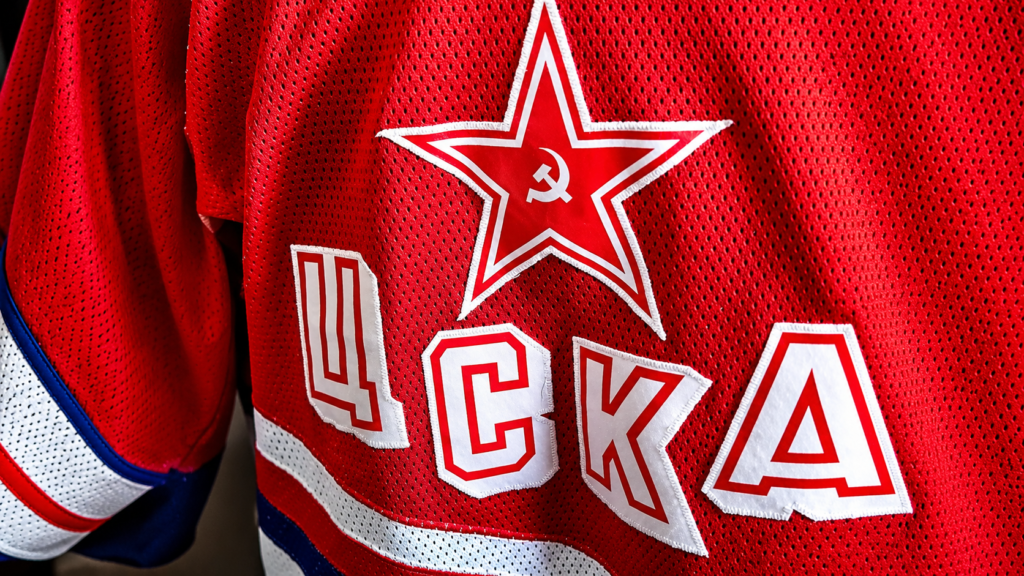
You can’t really talk about historic hockey without mentioning HC CSKA Moscow. This franchise began as the Central Sports Club of the Army, and it became the backbone behind the Soviet “Big Red Machine” that dominated international hockey for years. CSKA’s player pipeline has produced more Hall of Fame-level talent than many, if not most, single clubs worldwide. In recent KHL seasons, CSKA has remained a serious presence in Russian hockey through its disciplined structure and developmental pipeline. That’s a pretty clear sign their tactical discipline and developmental philosophy still generate elite outcomes, nearly 80 years after the club was founded.
About the Author