Image credit : @ParksCanada via facebook
The Stanley Cup Final has always been more than just a championship thing. Across different eras, some matchups didn’t just decide who won the Cup, they rewrote how hockey was coached, played and even understood. From that gritty physical “Original Six” stretch, through the quick, pressure, point-shot type offenses in today’s NHL, a handful of Finals show up like turning points, pushing the game toward new tactical plus cultural directions.
The “Flying Goal” and the End of that Original Six Style
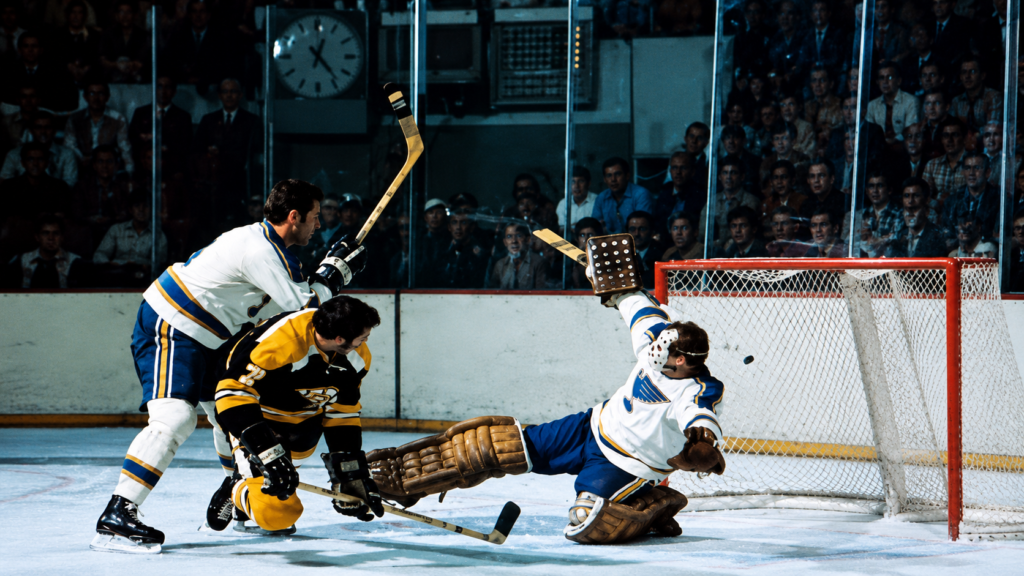
Game 4 of the 1970 Stanley Cup Final with the Boston Bruins vs the St. Louis Blues, gave hockey this image people still talk about: Bobby Orr basically airborne after scoring that overtime Cup winner. But beyond the photo, the whole series hinted at a tactical shift that felt huge.
Orr changed the whole defenseman idea, like not just staying parked deep and protecting, he started creeping into the rush, steering transitions, and producing offense from the blue line. His impact wasn’t subtle, it made it clear that speed, puck-handling, and attacking defense were turning into core parts of top-tier hockey. The old cautious Original Six setup was starting to drift away, replaced by something faster and a lot more creative.
The 1984 Passing of the Torch
Game 5 of the 1984 Stanley Cup Final looked like the “official goodbye” to one era-the start of another and the Edmonton Oilers beat the New York Islanders and that finished New York’s streak of four straight Stanley Cup wins.
With Wayne Gretzky leading the charge, Edmonton ran an approach that felt built on relentless pace, sharp offensive imagination, constant puck flow and their transition-based assault kept breaking down an Islanders team that had defined the prior period with structure and discipline. Honestly, the series turned into this symbol of hockey moving toward that high-scoring firewagon style that showed up all over the 1980s.
The 1994 Rangers and the Defensive Era
Game 7 of the 1994 Stanley Cup Final, Rangers against the Vancouver Canucks, turned into one of those defining 1990s moments and the Rangers won 3–2 and that ended the team’s 54-year championship drought, and also locked Mark Messier into that “legendary leader” category.
It also matched the decade vibe. Defensive systems, brutal checking, and low scoring, physical hockey, all started to dominate more and more. Specialized shutdown lines and cautious neutral-zone plans turned into league-wide habits and they even stuck around into the early 2000s. That momentum later fed into the rule changes that came after the 2004–05 NHL lockout, you know.
Ray Bourque’s 2001 Triumph
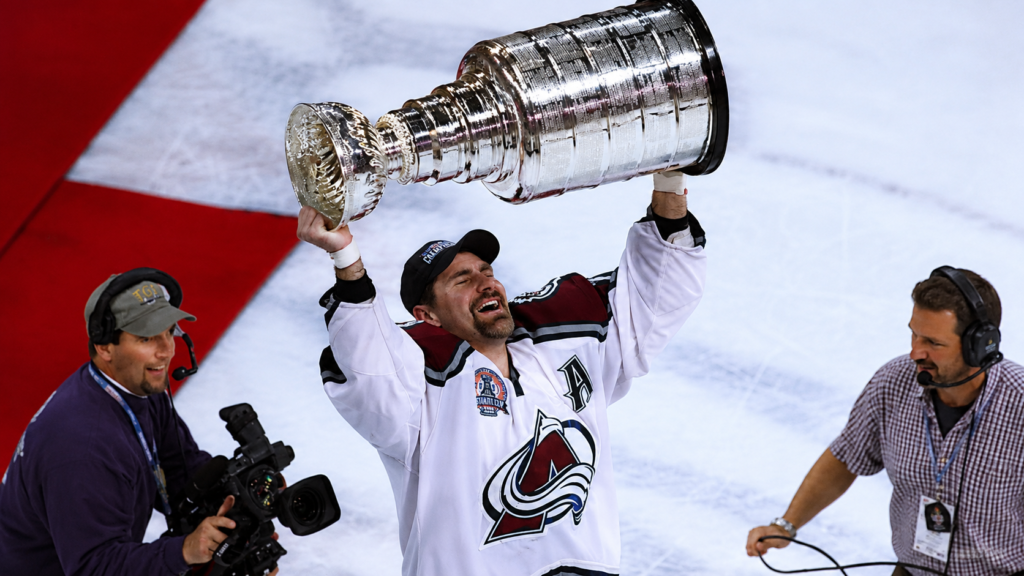
Game 7 of the 2001 Stanley Cup Final between the Colorado Avalanche and the New Jersey Devils is still remembered as one of the most raw and emotional title nights in league history and after 22 NHL seasons, veteran defenseman Ray Bourque finally earned his first Stanley Cup, after a long time of almost.
This matchup also made the styles collide pretty hard. Colorado leaned on star powered offensive depth and transition play, while New Jersey leaned hard into a strict neutral-zone trap. So when the Avalanche won, it felt like a rare win for offensive creativity during a stretch where defensive structure ran the show. In a lot of ways, the whole series added fuel to the ideas about future NHL adjustments meant to boost scoring, and open things up more offensively.
About the Author