
Image credit : @iowafieldhockey via facebook
The second round of the 2026 Stanley Cup Playoffs is at one of those “either you break through or you don’t” moments, and only a handful of elite players are separating themselves with dominant postseason performances. Between established contenders and the newer, hungrier teams, it’s becoming clear that individual brilliance, not just team systems, is deciding how these series go , especially when games get tense.
Nathan MacKinnon and the Avalanche Offensive Engine

For Colorado, Nathan MacKinnon has taken his Hart Trophy level of play right into the postseason, and it has positioned him as one of the leading candidates for the Conn Smythe Trophy and by mid-May he has continued producing at an elite offensive pace during the postseason. A big part of it is his skating, specifically those elite bursts above 20-plus mph, which lets him break through opposing defensive structures in transition, like he’s cutting holes into their defensive shape.
And then there is Cale Makar, the defenseman who is driving offense from the blue line better than almost anyone else. This postseason he leads all blueliners in max skating speed, one of the fastest skating defensemen in the postseason. That extra edge has mattered a lot for Colorado early on, but now the heat turns higher because Minnesota’s Quinn Hughes is not just present, he’s driving Vancouver’s postseason attack . Hughes leads all skaters with 11 playoff points, he’s averaging over 31 minutes of ice time, and somehow he’s always around the puck, controlling the tempo while Minnesota’s series is basically deadlocked.
Goaltending Excellence: Wallstedt and Andersen
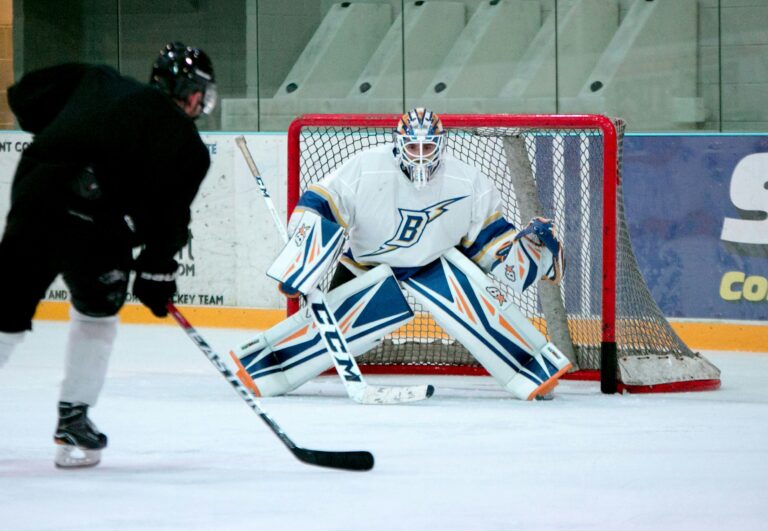
When it comes to who’s keeping teams alive, the conversation starts in goal, and two names have consistently kept their teams competitive . For the Minnesota Wild, rookie Jesper Wallstedt has changed the feel of the matchup versus Colorado. Once he took over the starter role, Wallstedt has delivered elite goaltending numbers since taking over the starter role. In a recent 5–1 win, he turned in a 35-save night, and the high-danger saves were especially noticeable, neutralizing some of the league’s most dangerous shooters.
On the other side of the bracket, Frederik Andersen has been the foundation behind the Carolina Hurricanes’ perfect 8–0 start. The 36-year-old veteran has been one of the postseason’s most reliable goaltenders. Carolina’s 5-on-5 “late-insulation” steadiness has helped them run through the Philadelphia Flyers in a dominant series win. And even beyond those games, Elsewhere in the playoffs, strong goaltending performances have continued shaping momentum across multiple series and it’s another reminder that, in the playoffs, top-tier goaltending is still the most valuable currency around.
Clutch Scoring and Special Teams Leaders

Still, it’s not only the stars. Some deeper guys are deciding moments through situational goals, power plays, and cold-blooded finishing. Carolina’s Logan Stankoven and Minnesota’s Matt Boldy are tied for the league lead in playoff goals at seven apiece. Stankoven, in particular, has been a major problem on the power play, feeding into the Hurricanes’ special teams momentum, and keeping pressure on even when the ice seems like it should “cool down.”
Meanwhile, the Vegas Golden Knights have leaned hard on Mitch Marner, who leads the postseason in points with 16, and Jack Eichel, who’s added 12 assists as Vegas continues generating offense and together, those performances show how elite talent continues to shape playoff outcomes, even as the intensity and physical demands of the postseason continue to rise.
About the Author