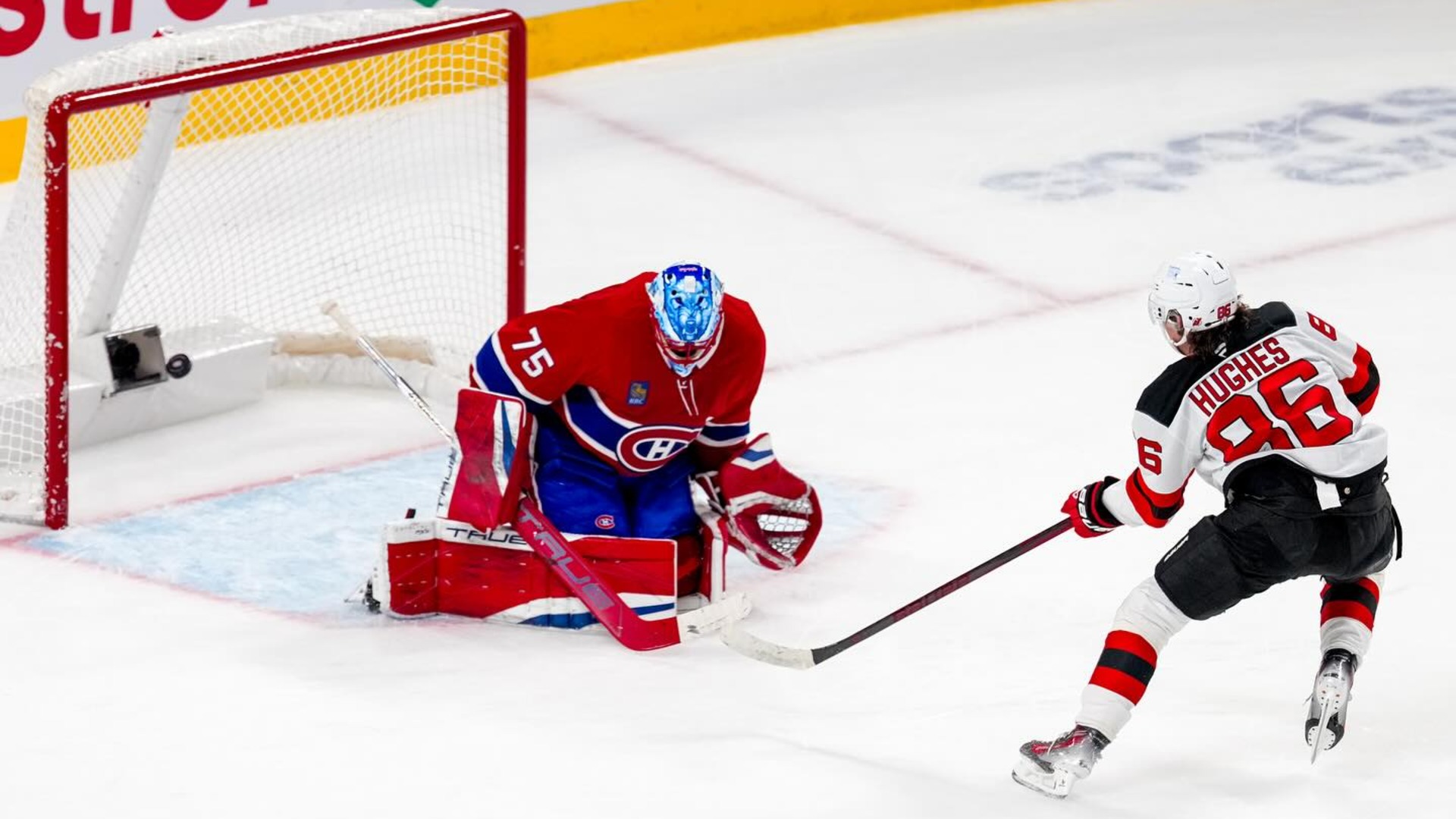
Image credit : @jackhughes on Instagram
Sudden death overtime in hockey feels like some ultimate crucible, where one slip, one small error, and the whole match just ends right there. So when a breakaway pops up in that pressure cooker, the usual defensive, and offensive rhythms start acting a bit weird. The extra room on the ice that comes with reduced skater numbers- like three-on-three overtime, basically makes these lone charges happen more often, and then players have to make razor-thin choices while they are already smoked from fatigue.
Offensive strategy
In a sudden death breakaway, the attacker has to mess with where the goaltender is sitting and how that goalie is moving, but also do it fast because the reaction window is tight. Top-tier skaters often sell “innocent” motions, like a small shoulder dip or a head fake, to make the goalie start the first move, or fall into the butterfly a moment too soon. Speed control really matters too; even a slight slowdown near the top of the circles can create space that doesn’t look like much at first, but it can be the difference. From there, the shooter may pick a weak upper corner, or force the goalie into a sideways scramble that opens up the lower stick side.
Defensive mechanics
For the backchecking defender, it becomes an immediate risk-reward problem, because if they chase too hard it can lead to a penalty shot, or even turn into a power play, and that’s basically the end of any good outcome. The defender’s main job is to steer the attacker’s shooting lane, without making illegal contact from behind, especially with the stick. By steering the pursuit in an angled line, defenders try to push the skater toward the outer boards, which reduces the net angle. Then the attacker is stuck trying to force a low-percentage shot before they reach the crease, and that’s where things start to get ugly for the breakaway.
Goaltending execution
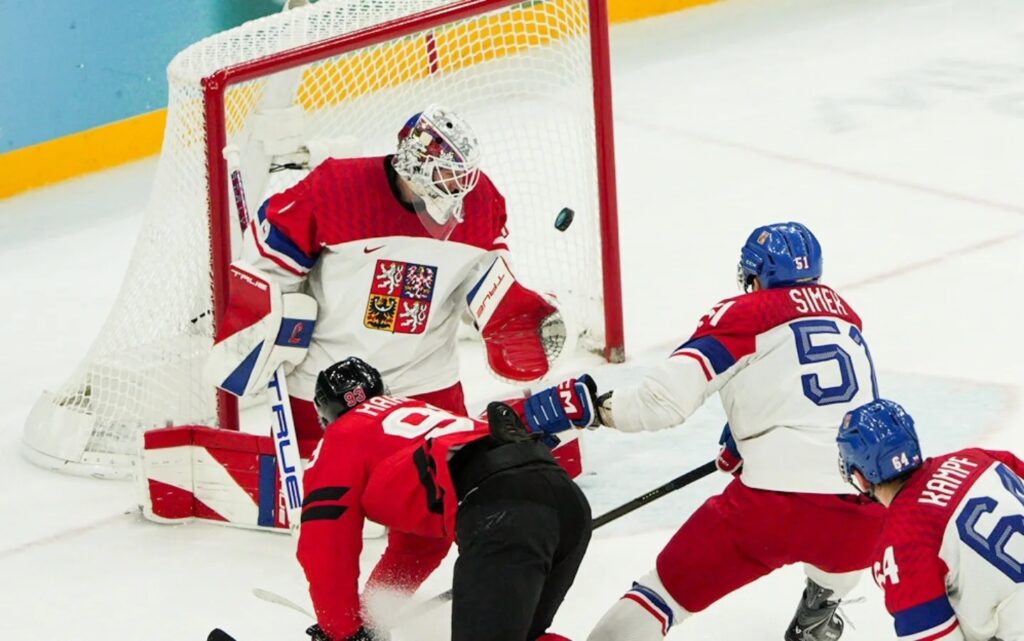
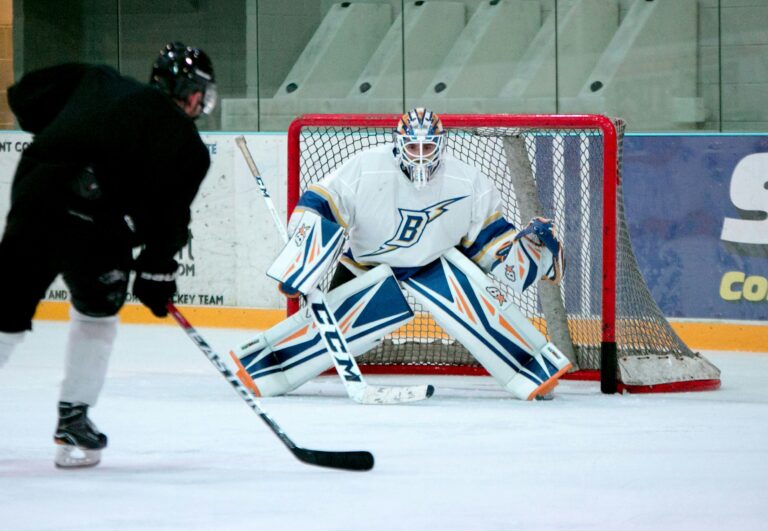
For goaltenders: it’s a balance between being aggressive and staying patient. If the goalie commits too early, the entire net can end up exposed to one quick deke. The best approach is keeping the right depth near the edge of the crease, so the shooter can’t just “see” the whole target while also letting the goalie stay mobile side-to-side to react to rapid stickhandling. Patient goaltenders also read the blade of the attacker’s stick, staying on their skates as long as possible to push the shooter into a rushed call. Instead of trying to guess the move too soon and accidentally leaving the mesh open, they make the attacker earn every option.
About the Author