
The Stanley Cup is more than just a trophy for the championships. It’s one of hockey’s most enduring and well-known symbols, and it as a history of over 130 years. It’s now presented to the nationally recognized playoff champion of the NHL, but this history dates back to the early days of pro’s.
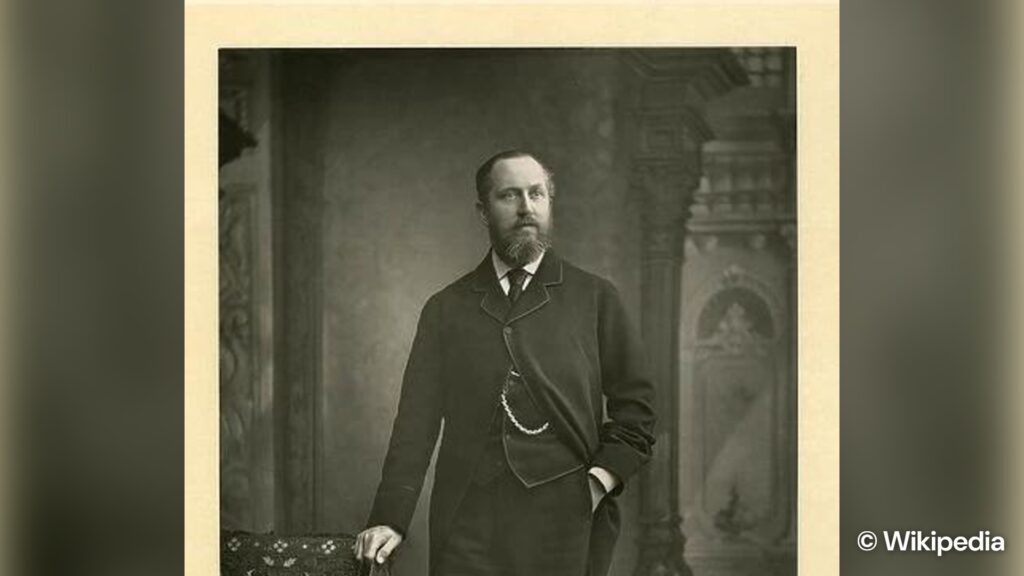
In 1892, the Lord Stanley of Preston, the Governor General of Canada, presented a silver bowl to honour the best hockey club in Canada. It was crowned the Dominion Hockey Challenge Cup, but soon became known as the Stanley Cup. It was the first team to win in 1893 for the Montreal Amateur Athletic Association.
The Stanley Cup was conceived to be a challenge trophy, unlike many sport trophies would become possession trophies for one team forever. Hockey has developed over the years, as has the rivalries. The Amateur clubs started the competition for this Cup, which was later joined by the Professionals. At the 1926-27 season, the Stanley Cup finally had no association with the Canadian west anymore, but solely with the NHL title.
The Cup’s engraving is certainly one of the most intriguing activities in the tradition. Over the years, names of championship teams and players have been placed in the trophy, and now it is a tangible part of hockey history. Player names are currently engraved (from 1906) and, per the NHL, regular roster engraving became an accepted tradition in 1924.
Changes have taken place in the trophy as well. The original silver bowl is safely kept in the Hockey Hall of Fame and the Stanley Cup today is a much larger structure, with bands, to display names of championships.
The Stanley Cup is unique in that it links different eras of hockey together. Each engraved name stands for one team, one season and one set of players that competed in the maximum amount of NHL games. For fans, there will be so many championships that taking the Cup home is no longer just the end of a playoff journey it’s now a part of a history that is never ending.
About the Author