Image credit : @judonewsworld on Instagram
High stakes in Aichi-Nagoya
The 20th Asian Games in Aichi-Nagoya, Japan, set the stage for a crucial push for the Indian delegation. Beyond that whole continental pride thing, this edition also has serious weight for national sports programs looking for a long-term edge, internationally. In a way, the continental showpiece acts like a doorway straight to Los Angeles 2028, so every single win feels more important than usual, especially early.
Men’s hockey defense
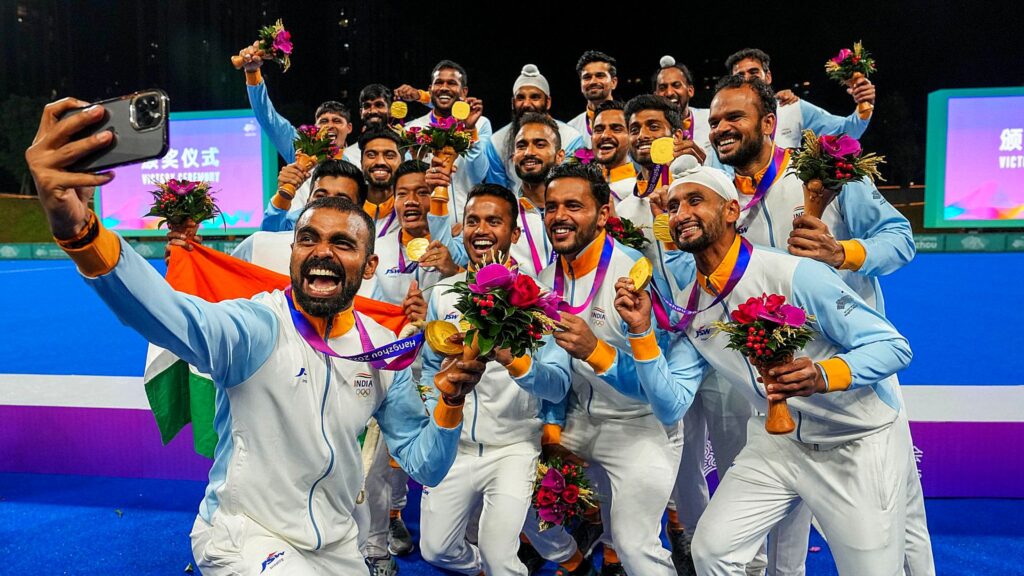
India’s men’s hockey team comes in as defending champion after grabbing gold at Hangzhou. With key veterans around and steady tactical guidance, the group wants to pull off back-to-back continental titles, not just “one good run”. If they win in Japan they get a direct spot for the 2028 Olympic men’s hockey tournament, so it basically avoids the usual stressful secondary qualifying stuff, which can be pretty brutal.
Challenges and strategy
Still, taking top honors won’t be easy, because the competition gets intense fast. Regional rivals like South Korea, Japan, and Pakistan aren’t there to just participate. India’s plan leans on tactical flexibility and a sharper penalty corner approach, plus defense that stays calm and tight even when the tournament pressure ramps up. And in the knockout rounds, head-to-head meetings leave very little room to mess up, when the goal is consecutive championship wins in a row, without cracks.
Olympic pathway ahead
Winning the continental gold is still the most straight-forward way to reduce extra Olympic qualification cycles. If India successfully defends the title, they build early momentum for the Los Angeles 2028 cycle and also strengthen the “national dominance” narrative in Asian sports. What happens in Aichi-Nagoya, then, basically decides the preparation timeline and the competitive roadmap for the team over the next two years.
About the Author