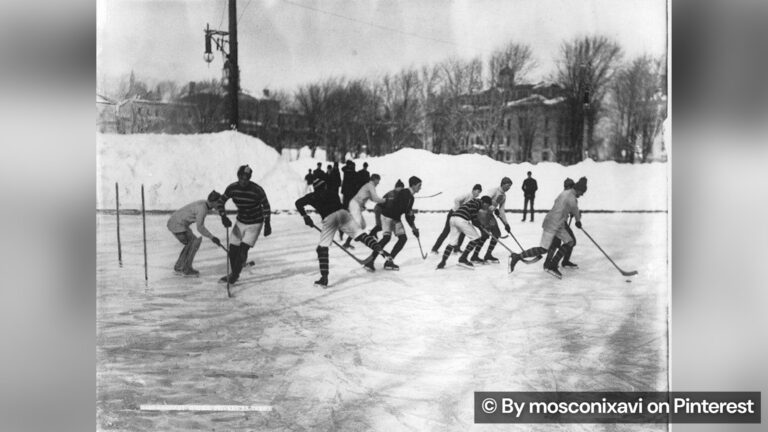
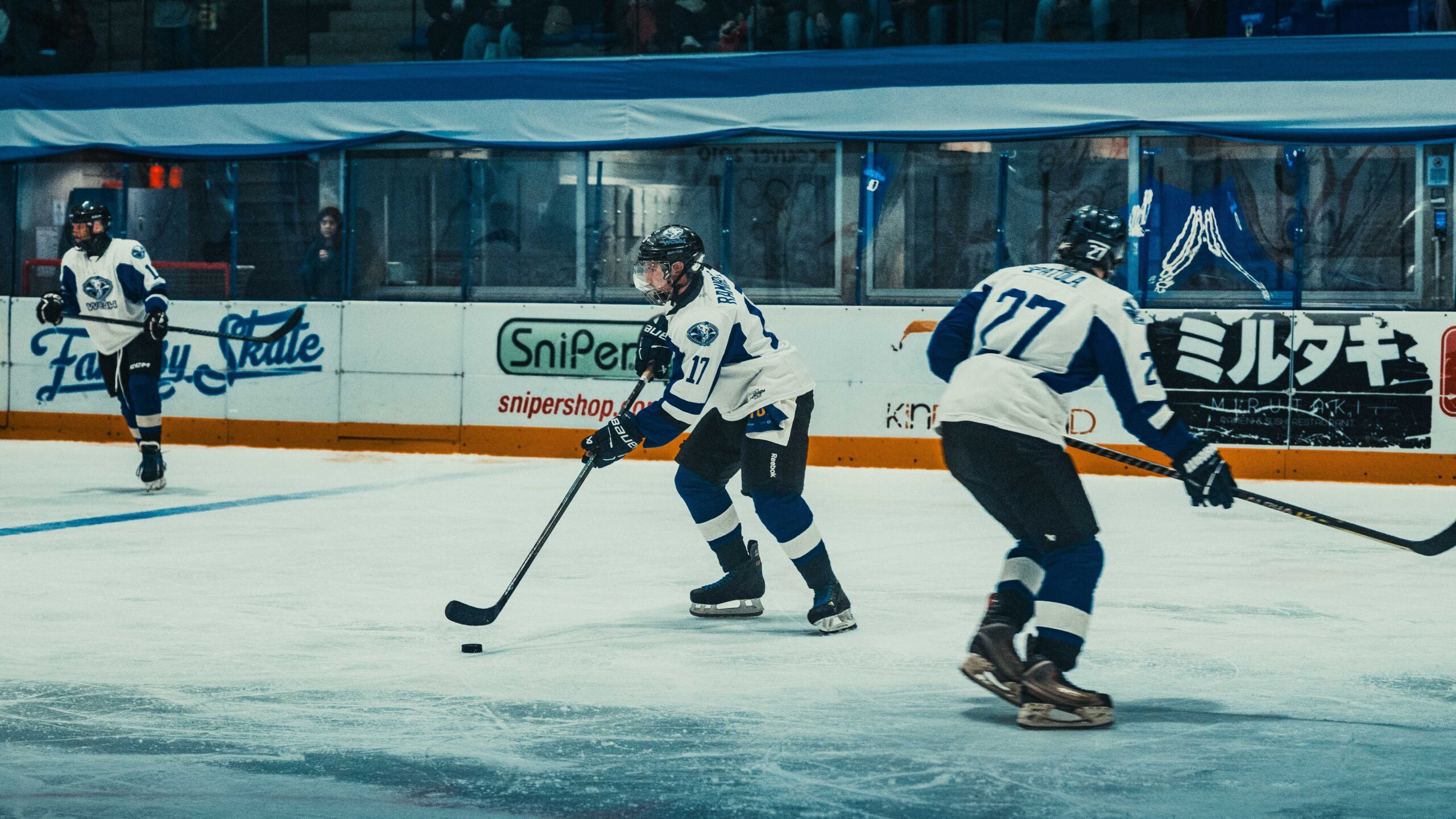
Certain rules and gameplay make Hockey different from other major Sports. At first, it may look familiar, meaning, two teams, one goal at each end, and an active scoreboard. But there’s a catch: once the game begins, players can change during live play; sometimes the game is played on ice, and interfer of special rules can quickly change the flow of an attack or defence.
1. Players Can Change During Live Play
One of the most unusual features is its constant player movement. Players can swap out while the game continues. This happens without pausing the action. This constant rotation keeps the energy high.
2. The Game Uses a Puck Instead of a Ball
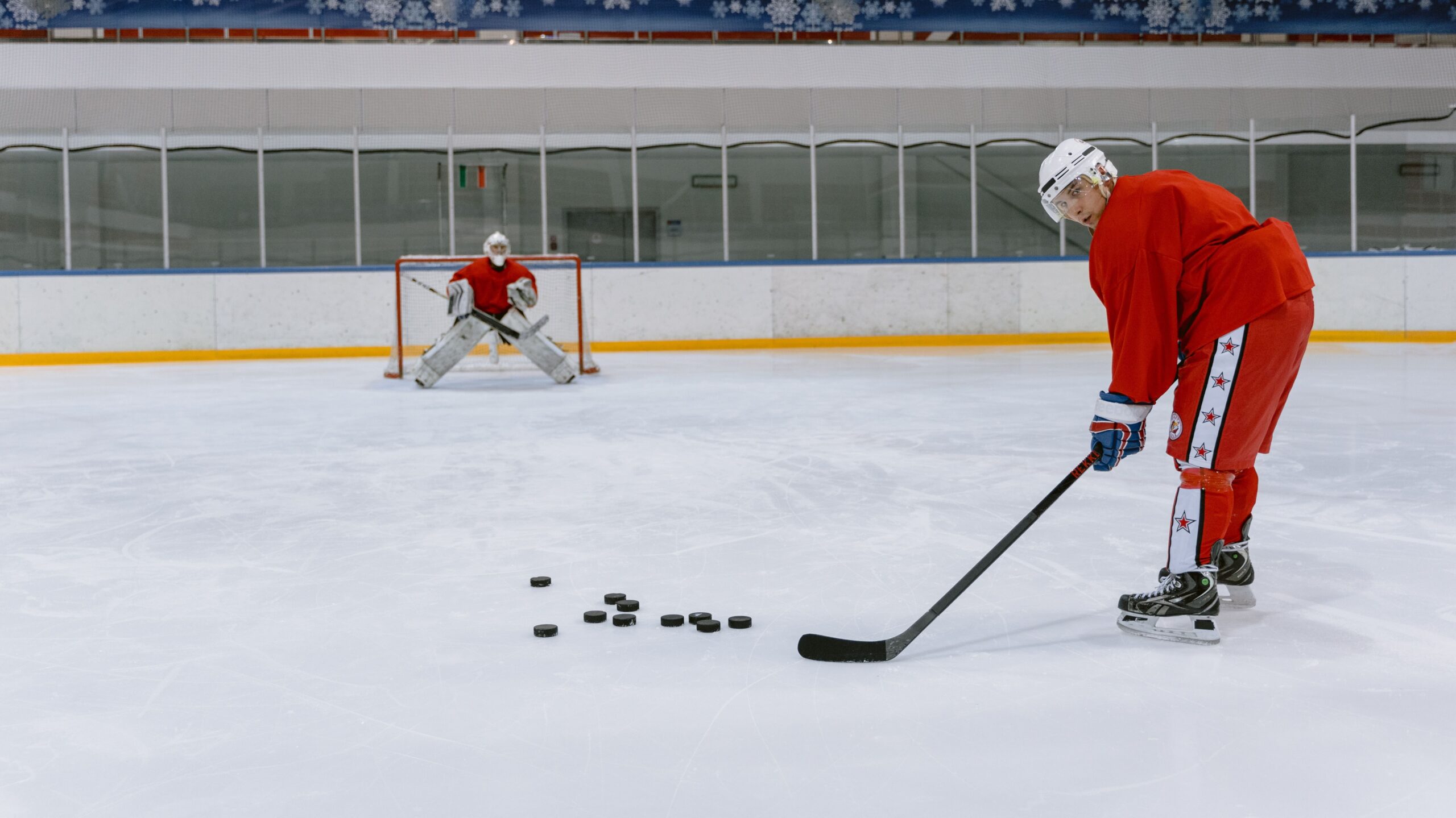
You may have noticed that the playing object is radically different from other major field and court sports. The object used is quite different. It is a flat rubber circle called a puck. This disc glides smoothly over the ice, and players use specially shaped sticks.
3. Icing Can Force a Face-Off in the Defensive Zone
A particular rule exists called icing. It prevents certain long shots. A team cannot just send the puck far down the ice. This happens from one side of the rink to the other, along with specific conditions.
4. Ties Can Lead to 3-on-3 Overtime
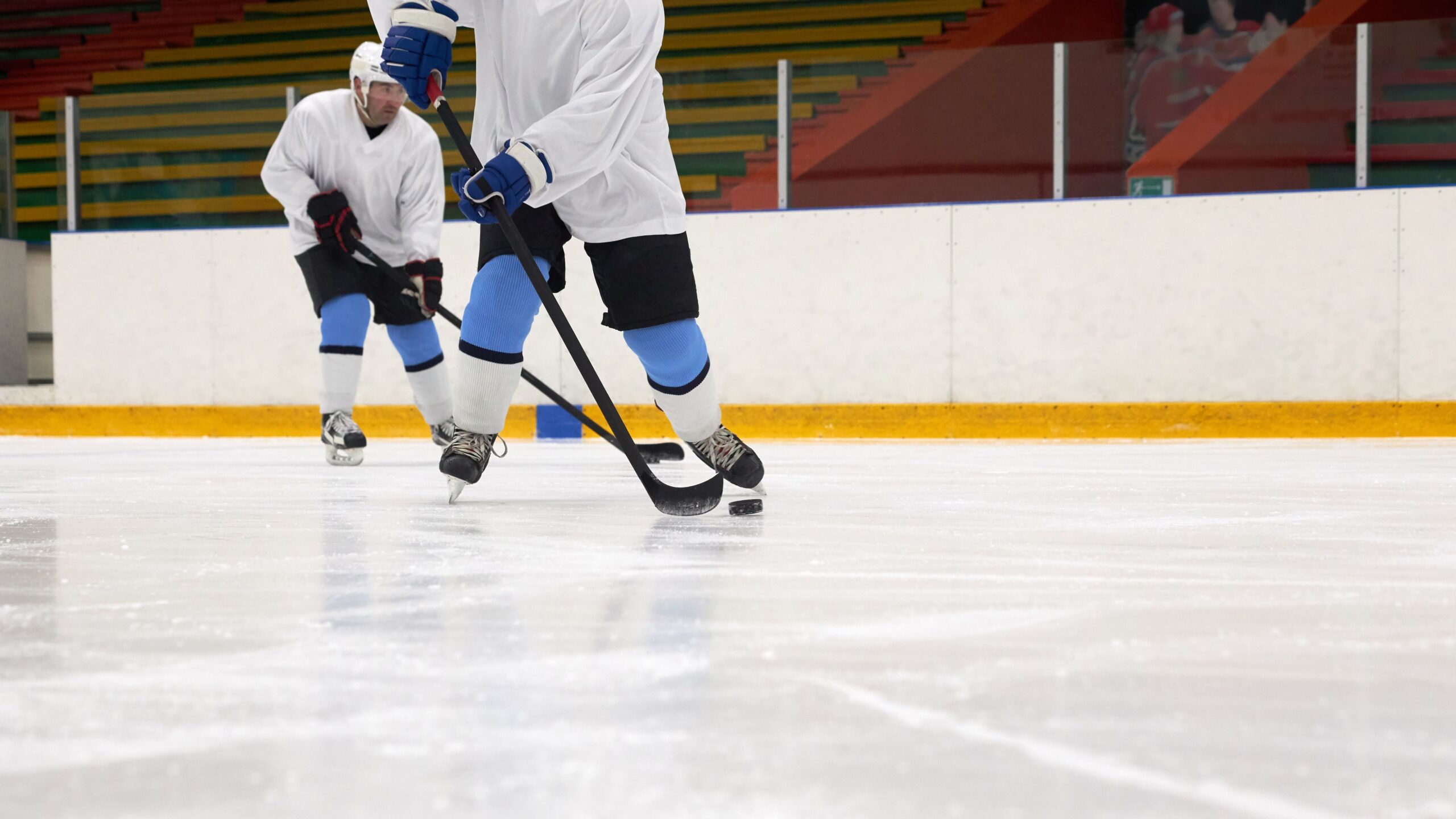
Games that end in a tie after the main play. They move to a short extra period, and only three players from each side are on the ice. This is sudden death; if no one scores, then a shootout occurs.
5. Offside and Icing Can Completely Change an Attack
Unlike other major field and court sports, the offside rule in hockey is at a glance. Players must enter the attacking zone in accordance with specific positioning rules, while icing can also stop an attacking sequence.
What Makes Hockey So Different?
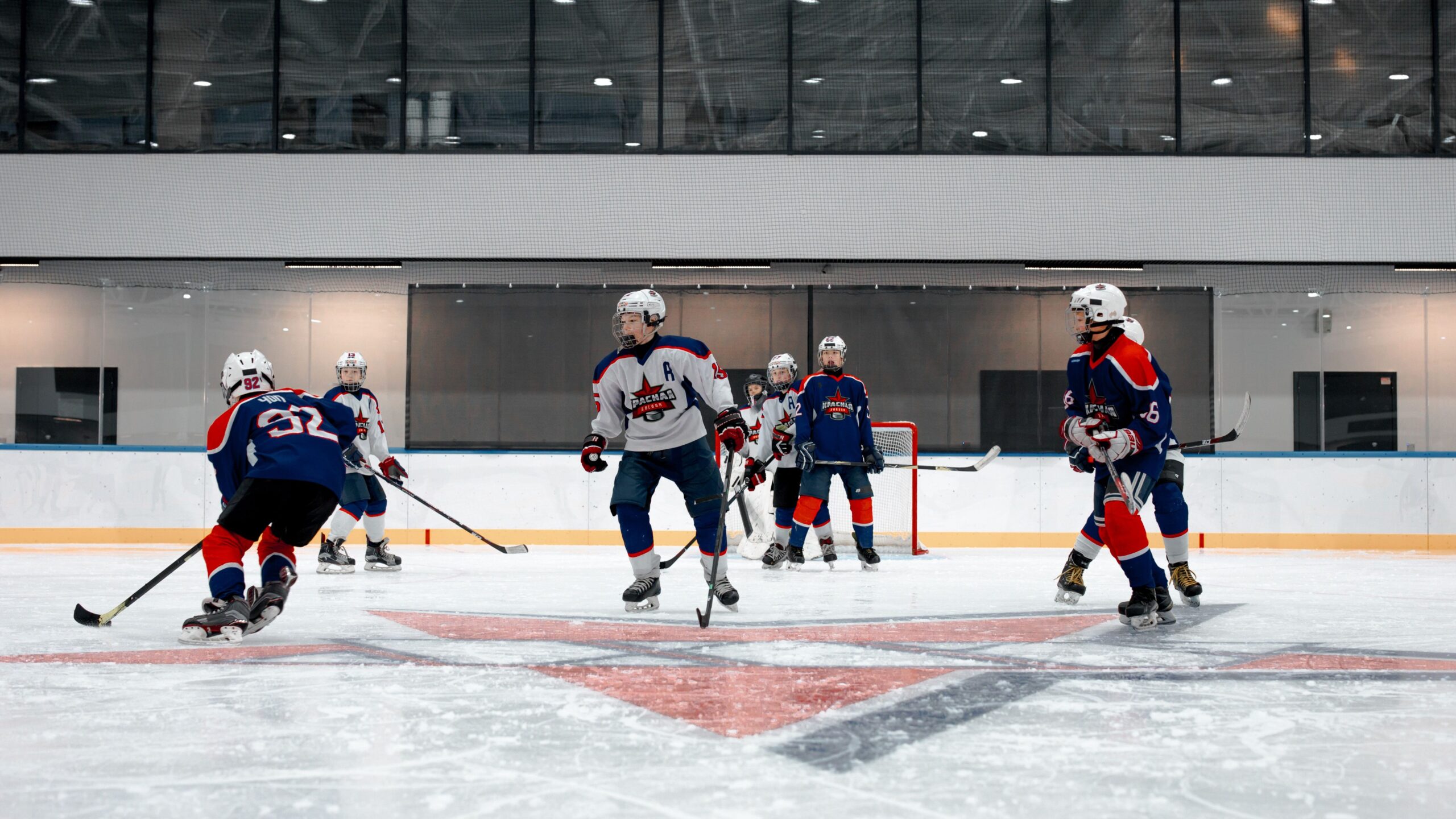
Rapid player substitutions are common. The sliding disc adds to the challenge. Icing and offside rules shape strategy. The brief overtime with fewer players is exciting. These factors make hockey truly one of a kind.
About the Author