Credit: jocelynbartram On Instagram
Elite field hockey modern highlight reels are full of drag flickers smacking them into the top corner at over 120 km/h, or forwards chipping delicate reverse stick aerials over goalies. But it’s not attacking fireworks alone that are forged in the modern artificial-based game. The bruise-kneed, quick-instinct-driven danger is the most devastating role on the artificial turf: the penalty corner runner.
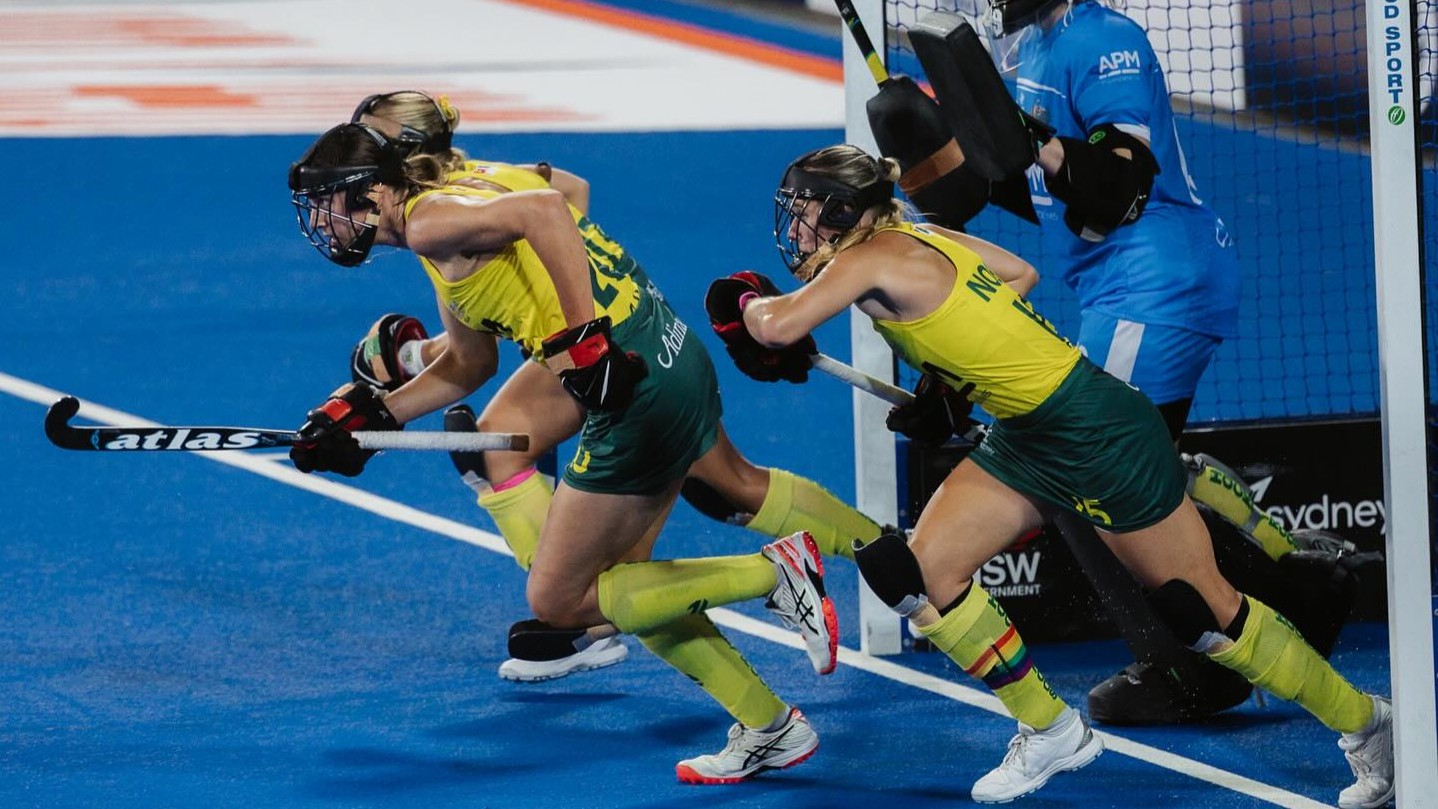
When the umpire’s whistle blows for a penalty corner, the game instantly changes – 5 defenders, 5 masked, waiting in the back of their circle after being pushed out.
Their assignment is “First Runner,” or in English “Flyer.” As soon as the ball leaves the back line, the 16th man flies towards danger, right into the line of the drag flicker. There is no other more “point and take the shot” position, other than the one the flickers are on. The flyer must use their bodies to screen vision of the target from the flicking player.
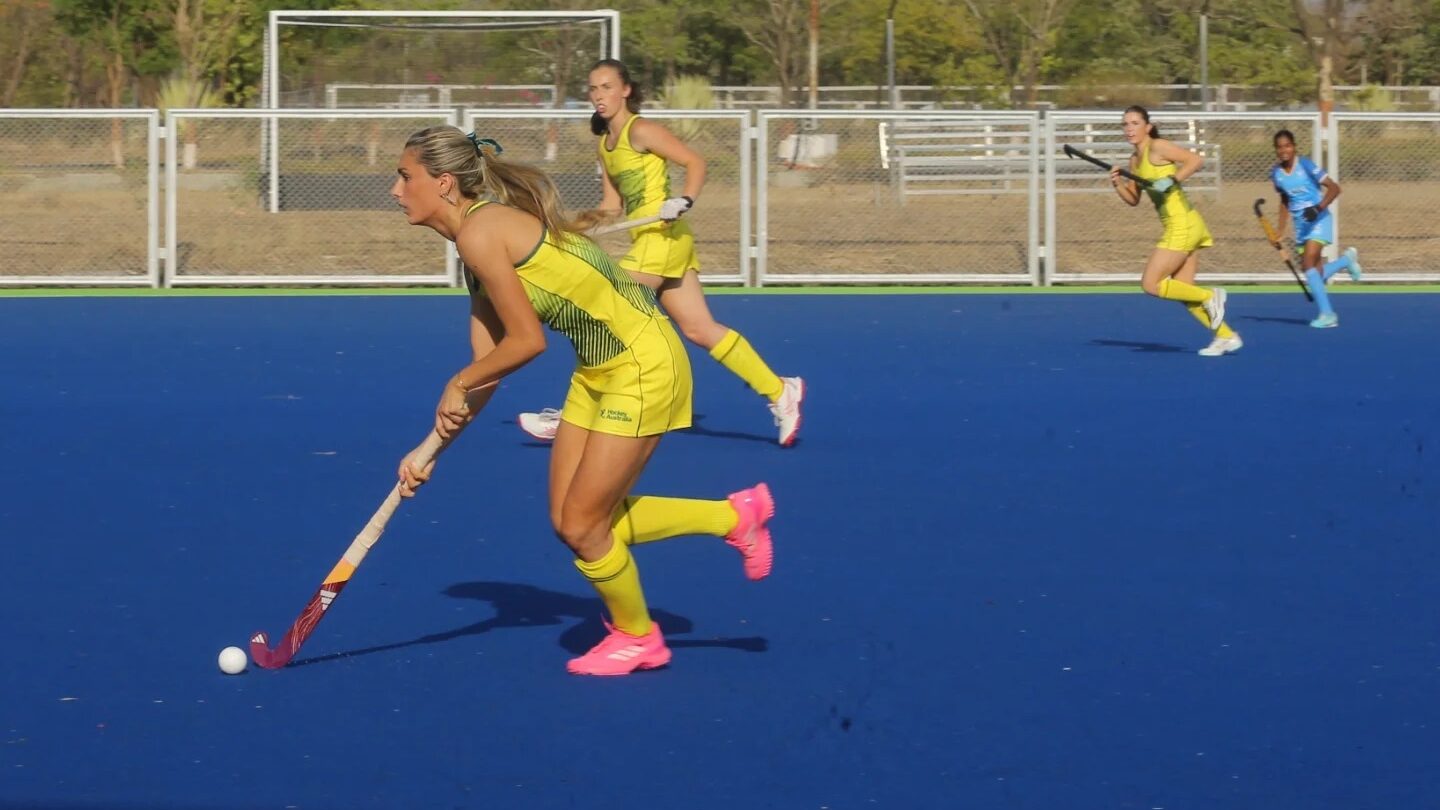
The First Runner isn’t just there for short corner defending; however, in the modern structured approach, the defensive centre-back acts as the engine of the game, continually pressuring their opposition at high pace, making slide tackles on the synthetic pitch and taking the hard 50 metre overheads.
They don’t hit the score sheets (usually); they soak up punishment and stop the counterattacks dead in their tracks with their constant off-the-ball pressure. One thing when you watch hockey in the modern era – you shouldn’t just pay attention to who is scoring the most goals but pay attention to who is performing the unglamorous, tireless contributions that lead your team to win big-time games. They are true hockey warriors, willing to throw themselves in front of anything to ensure team victory.
Source: FIH Tactical Playbooks / International Hockey Federation Technical Analysis Papers (2025–2026).
About the Author