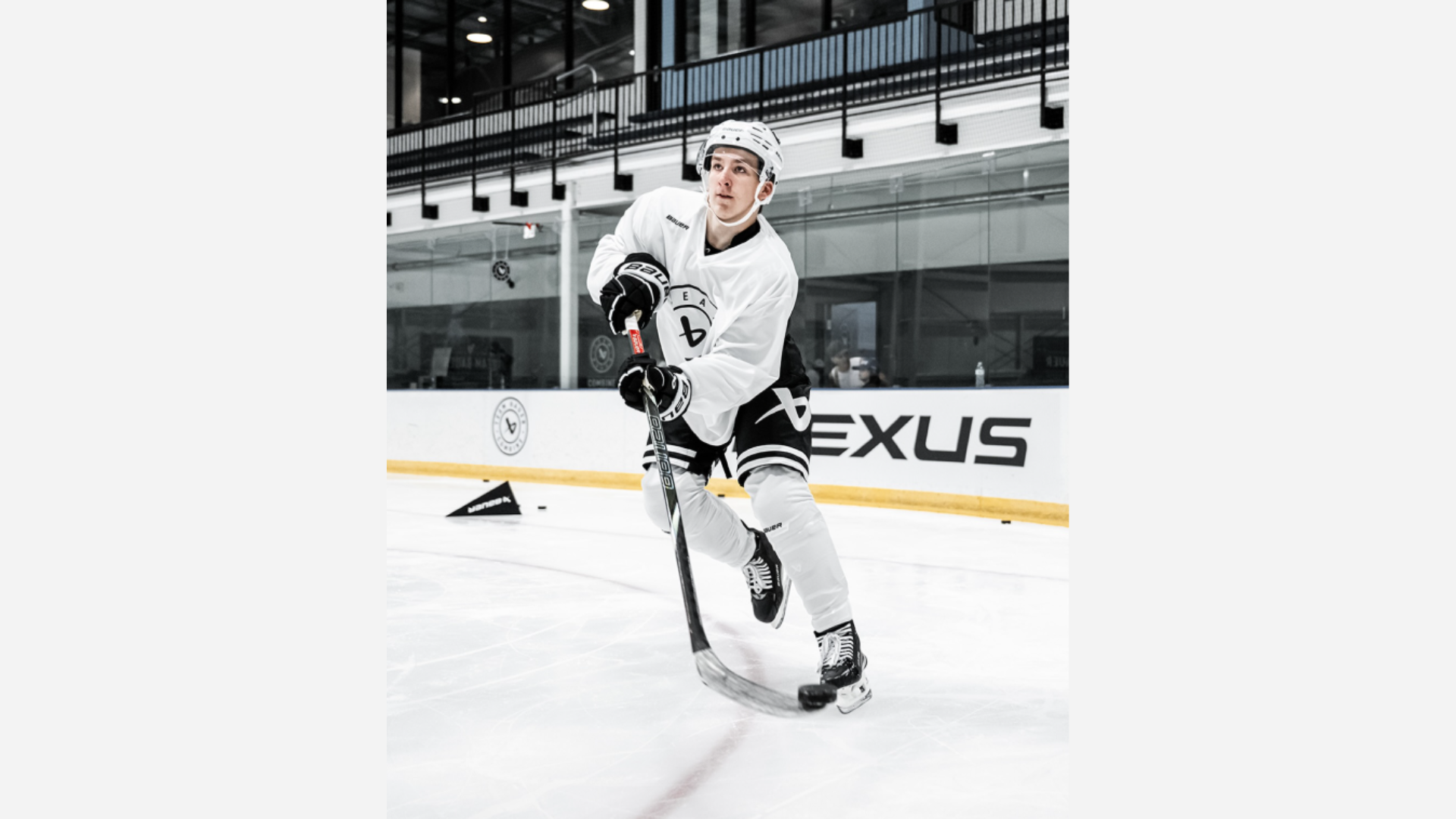
Image credit : @BauerHockey via facebook
For decades, a player’s performance was totally tethered to raw athletic limits and basic instinct. You wanted to glide quicker, then you just worked on stride power; you wanted a meaner shot, so you spent hours grinding away on a plastic shooting tarp. Now, though, the overlap of materials science, smart sensors, and video analysis rewrites everything, and suddenly that normal gear becomes highly calibrated performance tech.
Smart Equipment and Real-Time Data Tracking
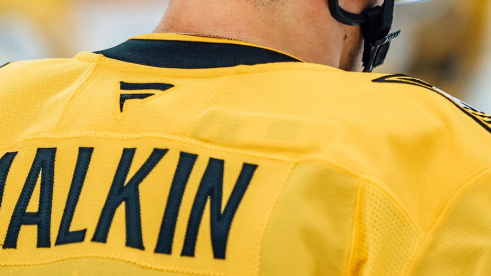
One of the biggest changes in the modern game is how tracking tech sits inside the play. Camera arrays watch from overhead, but then there’s also an infrared transmitter tag tucked in a small pocket on the back of a player’s jersey, paired with infrared LEDs embedded in the puck itself.
Together they collect real-time metrics. The whole setup tracks skating velocity, acceleration spikes,and player positioning. That continuous stream of information turns those “coach vibes” critiques into measurable feedback, so development staff can spot micro-problems faster, and shave months off older training arcs.
Video Diagnostic Software and Stride Optimization
When teams try to understand what the numbers really mean, they lean on video diagnostic software along with specialized tracking tools. High-speed footage gets pushed through computer-vision programs, and sports scientists map stride efficiency and speed bursts across the ice.
To find tiny mechanical blind spots, like slight hip recovery hiccups, or inconsistent foot contact, players are increasingly using smart wearable insoles inside their skates during practice. Pairing overhead optical data with sensors in-boot lets development staff guide players toward top-line speeds while keeping fatigue way more manageable.
Advanced Composite Material Engineering
The physical weight of hockey gear has also dropped to record lows, largely because material engineering jumped ahead. Manufacturers use multi-layer carbon fiber, Kevlar, and proprietary resins to craft sticks with kick-profiles that feel snappy,so players can release at high velocity with deceptive timing and less strain.
On the skating side, custom 3D foot-scanning and carbon-fiber boot designs create an anatomical fit that’s more precise, which cuts down energy loss when you push off for hard lateral edge control.
Safety Innovation as a Performance Driver
Lastly, safety design has shifted from being this bulky “don’t bother me” factor into a true performance driver. Modern helmets bring custom 3D-printed liners plus rotational impact systems, tuned to move harmful forces away without adding much mass.
Even goaltending equipment has gone through a structural upgrade, using zone-specific stiffness and composite layups that can be rigid enough to pop rebounds safely out of danger, but still flexible enough to seal the ice during a slide. When athletes trust their equipment to protect them without restricting movement, they play with more open confidence, like nothing’s holding them back.
About the Author