Image credit : @predsnhl via instagram
Right now one of the biggest themes in the hockey world is, how defensive structure started basically running the later stretches of the Stanley Cup Playoffs. And as the postseason keeps going deeper into the Conference Finals, teams seem to find way less room, fewer clean transition lanes, and generally tighter scoring looks than what we saw in the early rounds.
All around the league, coaching staffs are going heavier on layered coverage, aggressive shot blocking, and kind of strict neutral-zone tracking. Then you get this noticeable shift into lower-event hockey where like, one mistake , even a small one, can flip momentum completely.
Defensive Structure Is Reshaping The Playoff Landscape
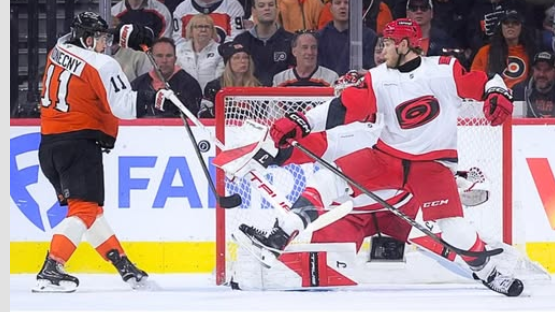
A few playoff favorites have managed to slow down high-end offensive guys by collapsing fast around the slot, and pushing attacks toward the outside edge. Defensive pairs are spending more time sealing the middle lanes , and forwards rotate lower to help with puck retrieval plus net-front coverage.
This focus on structure has also raised the value of physical shot blocking and controlled defensive-zone exits. Teams that weren’t great with transition coverage early on are now prioritizing puck handling and cleaner breakouts , instead of exchanging chances in that kind of open-ice chaos.
As the pressure ramps up, a lot of clubs are basically choosing patience and defensive stability over super risky attacking instincts.
Goaltending Continues To Decide Tight Games
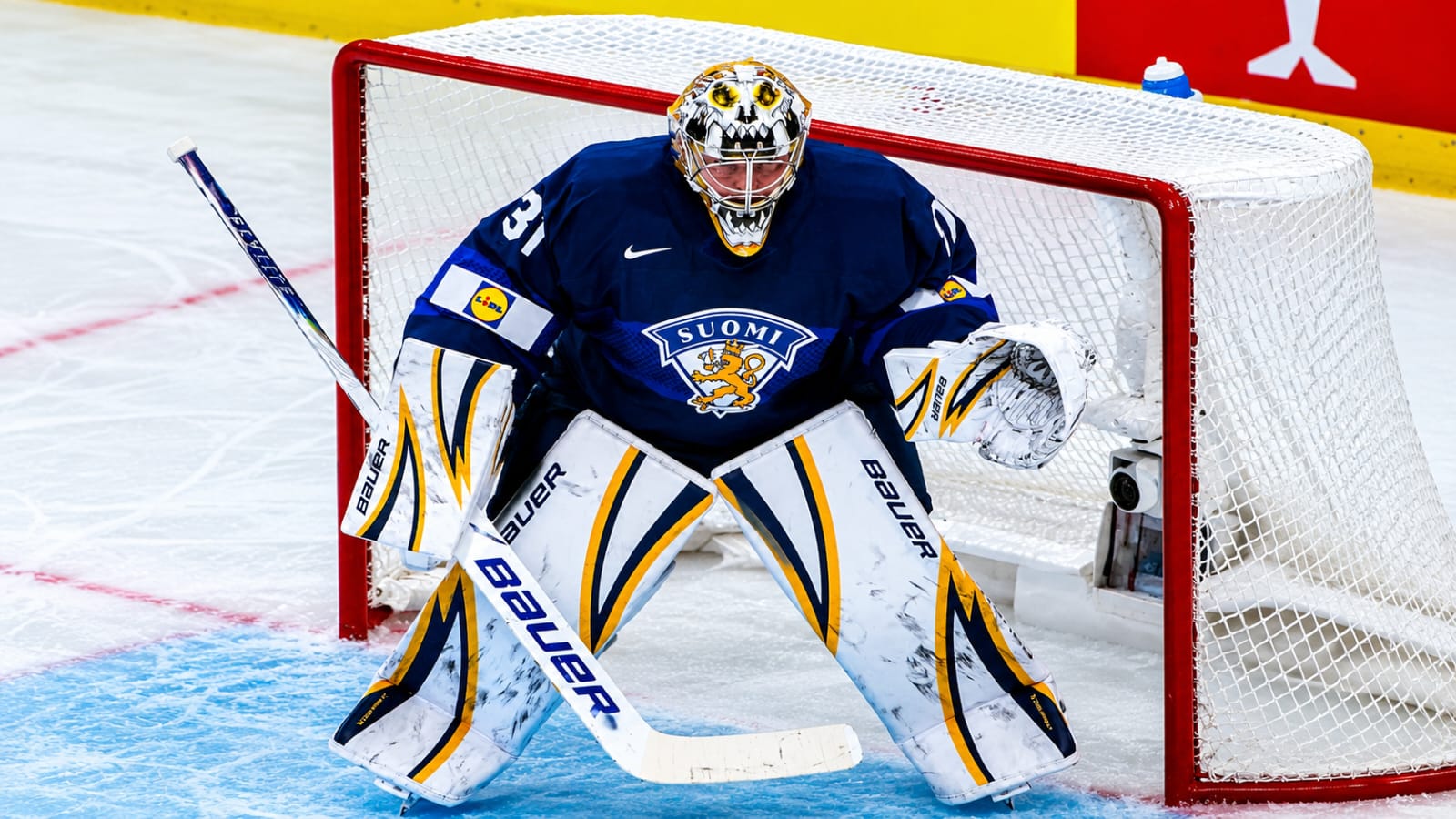
At the same time, strong postseason goaltending is still one of the biggest reasons the playoff picture looks the way it does and in multiple Conference Final matchups, goaltenders have repeatedly limited rebounds, handled pucks through traffic, and steadied games when the third period gets intense.
Once it becomes harder to generate offense, even a slight edge in the net starts to matter a ton and the teams that manage to survive into the later rounds are often the ones getting the most calm, dependable work during high-leverage moments.
And because the playoff environment tightens up even more, defensive support in front of the crease becomes extra important. That’s especially true as teams try to remove second-chance looks and messy net-front scrambles.
The Physical Grind Of Late-May Hockey
By late May, roster fatigue shows up as another big storyline. Most of the teams left still have months of wear on them already , and injuries start thinning out depth across basically every series.
That kind of strain makes coaching staffs lean hard on defensive discipline and four-line balance just to get through long playoff runs. Teams that keep their shape while cutting down emotional mistakes often end up with the edge as series keep unfolding.
As the Stanley Cup Playoffs get closer toward the Final, the trend is becoming pretty clear- defensive execution, goaltending reliability and composure when everything is stressful are shaping the postseason more than straight-up offensive firepower.
About the Author