Image credit : @sportsnet via facebook
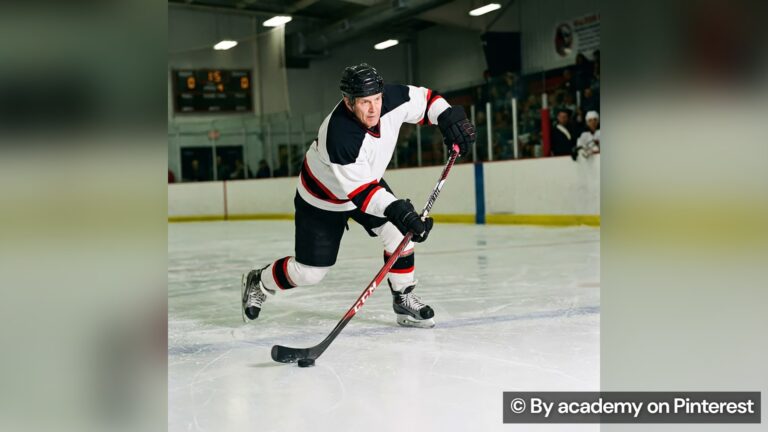
Back in the 1980s and 90s, if you just happen to watch a NHL game on the side, the whole vibe is obvious right away. It’s that heavy, loud boom when a defenseman starts up from the blue line and then lets go with this mean slap shot. Guys like Al MacInnis, Zdeno Chara, and Shea Weber basically turned that sound into a reputation, like pure terror for the goalie, and also for all those brave penalty killers who are standing in the way of it.
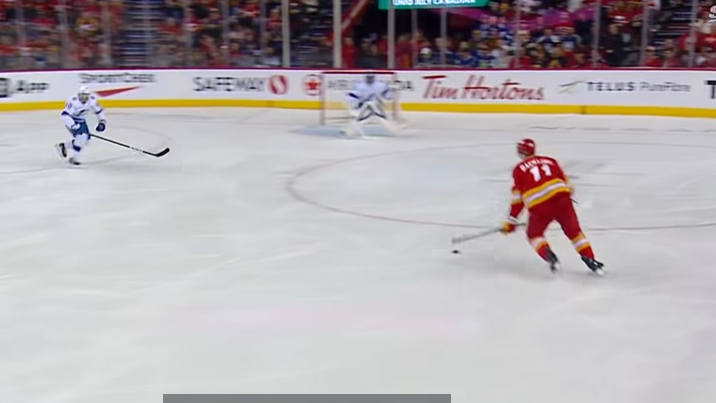
But switch to a modern NHL broadcast and the story feels different. That classic wind-up, the big telegraph, it’s almost gone in five-on-five. The slap shot used to be THE endgame for elite scorers, and now it’s headed toward something like structural extinction. And no, this isn’t that players suddenly lost their ability. It feels more like a very planned, calculated shift, pushed by goalie sports science, defensive positioning tracking, and even the whole upgrade in composite stick tech.
The Butterfly Revolution and Positional Goaltending
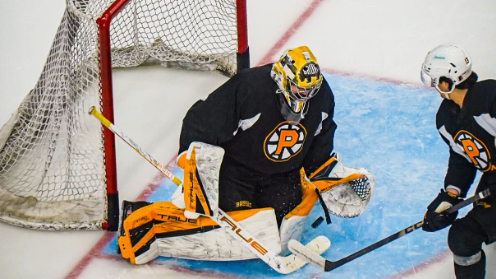
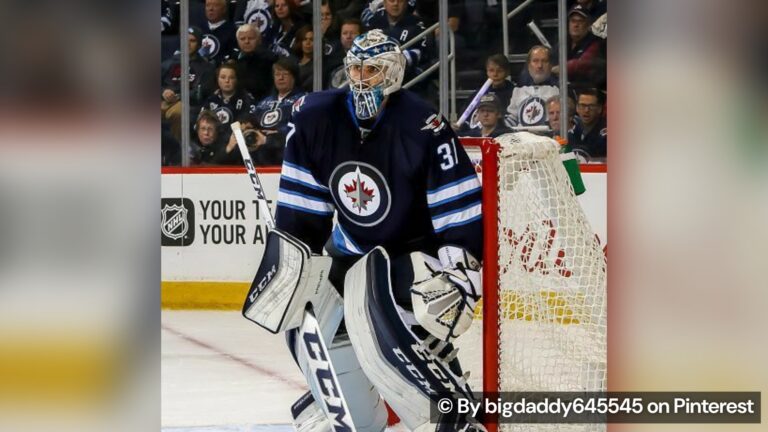
The biggest reason the slap shot keeps fading is just how efficient goaltending has become. When you look at the twentieth century, most goalies used this stand-up approach. They were mostly reacting to shots as they happened, leaving huge pockets in the net on the ice. With a stand-up goalie, a 100 mph slap shot could look like it was scoring on just raw speed, like a reflex test they couldn’t pass.
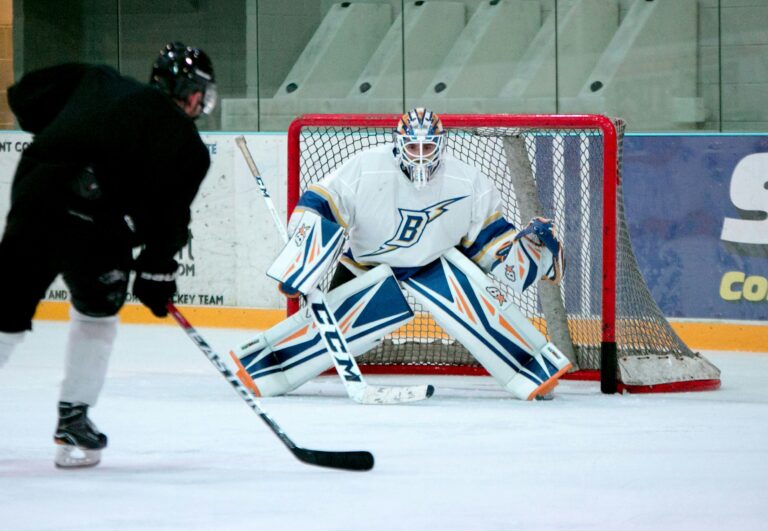
Now it’s different. Every NHL goalie leans into refined butterfly variations. The whole thing shifts from reacting to everything into a strict spatial math. They drop early, flare the pads, and keep their focus dialed in so the lower net stays smothered as the shooter comes in.
Slap shots also need a big, deliberate wind-up so they accidentally hand over warning time. Once a shooter lifts the stick past their waist, the goalie has already angled up, matched their body square to the puck, and basically killed the threat before the puck even leaves.
Suffocating Defensive Structures and Shot-Blocking Culture
Next up is defense, and how it tracks the game now. Coaching staffs don’t just “play hard,” they run disciplined systems that keep the scoring house safe. The “house” is that high-danger area right in front of the crease. Teams don’t really let shooters live at the blue line with clean, wide lanes, or stand around at the top of the circles like it’s 1992.
And shot-blocking has become non optional. What used to be playoff hero stuff is now like everyday roster insurance. Guys use advanced carbon-fiber skate guards and other reinforced gear meant to survive impact after impact.
A traditional slap shot needs time to load, so defenders get a long opening to collapse. They can get the stick into the passing lane, close the shooting lane fast, or slide their body right in front of the blast. If you try a full wind-up in today’s NHL, it often ends with the shot getting blocked and then a dangerous rush the other way.
The Composite Flex Revolution and the Rise of the Snap Shot
Then ultra-lightweight carbon-fiber composite sticks showed up, and the physics got re-written. The modern sticks are built with very specific, localized “kick points,” so the shaft flexes and loads energy without needing quite as much brute strength.
So instead of some giant, obvious swing, a forward can fire a quick “snap shot” or even a toe-drag release in a fraction of a second. It’s mostly wrists pressing the stick down into the ice. That means the shooter can change the blade angle mid-motion, and still pop out a 90 mph shot while moving at full speed.
For the goalie, it’s brutal: there’s hardly any time to read the release or set the exact positioning. The result is a higher chance to finish a high-danger chance than a slow, telegraphed slap from the point that gives everyone time to react.
About the Author