
Images credit : @nhlutah , @puckempire VIA instagram AND @puckempire via facebook
Leadership in professional hockey is really about this heavy burden of that “C” stitched on a player’s jersey, and the expectations are honestly different than in a lot of other sports. A hockey captain isn’t just there to look sharp, or do the usual little speeches. They’re supposed to set the overall physical mood, coordinate communication with officials, and pretty much hold down the team’s tactical positioning on the ice while everything’s going full tilt under intense pressure. So when the 2025–26 season keeps rolling forward into those high-stakes spring stretches, a couple captains have managed to stand out, not by luck, but by tightening up their execution and steering their clubs toward real postseason payoff.
Jordan Staal: Defensive Purity being Orchestrated in Carolina
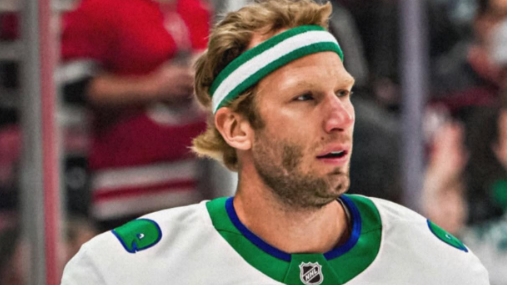
Carolina’s Hurricanes kept building this reputation as one of the NHL’s most structurally disciplined teams in the 2025–26 season, and a lot of that identity still flows through veteran captain Jordan Staal and Younger forwards like Jackson Blake get the flashy headlines for goals and assists, but Staal’s influence is more about defensive-zone discipline, matchup responsibility, and staying organized even when the game feels like it’s shrinking around you.
You notice Staal’s leadership in the small stuff that actually decides nights. He keeps anchoring Carolina’s penalty kill, he takes the harder defensive assignments, and he shows up in critical face-off moments versus opposing top lines. His knack for disrupting transition chances has helped Carolina keep that aggressive forechecking pulse, and when postseason pressure ramps up, he stays a real emotional stabilizer in the locker room. It’s that blend of restraint, plus defensive dependability, that keeps the Hurricanes in that upper tier of playoff-ready teams.
Clayton Keller: A Renaissance with the Utah Franchise
Over in the Western Conference, Clayton Keller has kept evolving into both the offensive engine and the emotional focal point for Utah’s NHL franchise. During 2025–26, Keller mixed high-level scoring output with more and more leadership responsibility. He’s the club’s captain, and he keeps driving play off the top forward line, plus he’s central to the primary power-play group.
What really makes Keller’s impact feel different is how he handles the late-game high-leverage moments. His consistency at creating offense, along with composure when things get tight, has kept Utah in the mix while they build a stronger longer-term identity. Off ice, his leadership gets credit from veterans and younger players alike, and that helps shape a setting where a developing roster can adapt quickly, to the demands of Western Conference hockey. His rise keeps reinforcing the notion that elite offensive production and solid captaincy can coexist inside a franchise that’s still growing and learning its rhythm.
Macklin Celebrini: A New Era for International Leadership
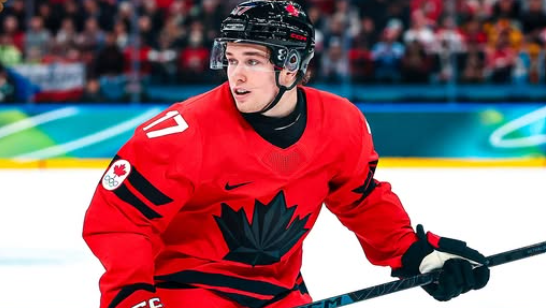
Leadership in hockey overall is also shifting internationally, with younger stars getting trusted with roles that used to belong only to older, more “established” figures. Macklin Celebrini has surfaced as one of the more visible young names in Canadian hockey, after a swift climb through junior and professional development paths.
Celebrini’s mix of elite skill, composure, and hockey intelligence has already earned him meaningful respect from veteran players plus program staff tied to national efforts. As Canada keeps preparing for future international competitions, players like Celebrini are treated as pieces in the next leadership layer and his rise shows a more modern hockey culture where leadership isn’t only connected to longevity. Instead, it’s increasingly linked to high-level execution, adaptability, and the ability to win trust even when you’re young and still learning how the biggest stages feel.
About the Author