Image credit : @thayeracademy via instagram
Hockey, on ice and out in the field, has managed to drop a bunch of very dramatic, cultural and high signal moments in sporting history. These legendary finals aren’t just about the trophies, they’re also about how the game actually changes tactically and how whole nations felt, or re-felt, who they were. From the cold rinks near Lake Placid, to the sticky stadiums around Kuala Lumpur, these matches still act as the yardstick for competitive excellence.
The 1975 Men’s Field Hockey World Cup Final, India vs Pakistan
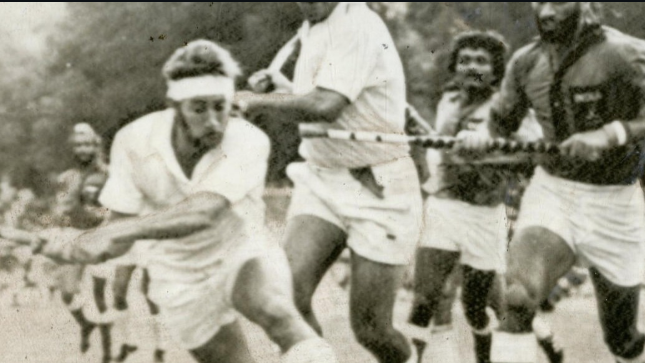
That 1975 final in Kuala Lumpur is often treated as the clearest emblem in India’s field hockey story. India went up against their arch rival Pakistan as the nation sought to reassert itself as a world force, with legendary figure Balbir Singh Sr involved in the team’s broader hockey leadership. India slipped early, going behind when Muhammad Zaid Sheikh put them in trouble with a goal. But then a comeback happened, almost audacious. Surjit Singh brought it level, and later Ashok Kumar, Dhyan Chand’s son, chipped in with the winner. The result landed 2–1 for India and it’s still their only Men’s World Cup title. People also talk about it like the top peak of the nation’s golden era of hockey, and honestly it fits.
The 1980 “Miracle on Ice” USA vs Soviet Union
Now, technically this was more of a medal-round kind of clash, not a “final” in the pure bracket sense, yet the 1980 Olympic game in Lake Placid is still the most talked about ice hockey match ever. The U.S. lineup was amateur, guided by Herb Brooks, and they ran into the Soviet side, a total machine, who had already grabbed four straight Olympic golds. The Americans were down 3–2 going into the third period, but they turned the game around late on. They scored twice, including Mike Eruzione’s go-ahead strike that people describe like it was destiny arriving. Final score 4–3, upset secured. On top of that, the win carried heavy Cold War symbolism, and it’s credited with giving hockey a big new burst of momentum across North America.
The 2010 Olympic Men’s Final, Canada vs USA
The 2010 gold medal match in Vancouver gets called the best modern ice hockey final more times than not. It was played, sort of, in the sport’s spiritual “home,” and the game matched a loaded Canadian roster against a stubborn American group. First, the U.S. forced overtime when Zach Parise scored in the closing seconds of regulation, and suddenly the entire momentum of the game shifted. Then Sidney Crosby struck the golden goal at 7:40 of the extra period, and just like that it was over 3–2. The win became a clean moment for a new wave of NHL stars, and it’s still the most watched hockey broadcast in Canadian history, showing how sharp the rivalry is between those neighboring nations.
The 1994 Stanley Cup Final, NY Rangers vs Vancouver Canucks
In the pro leagues, not many finals hit the heart as hard as the 1994 Stanley Cup Final, where the New York Rangers walked into the series carrying that 54-year title drought on their shoulders, while the Vancouver Canucks kept refusing to fold. The matchup stretched through all seven games, and it ended with a 3–2 Rangers win at Madison Square Garden. Captain Mark Messier, who had famously guaranteed victory earlier in the playoffs, became the emotional centerpiece of the Rangers’ championship run. That sealed the end of “The Curse” and renewed attention for hockey in the United States’ biggest media hub. People also remember the whole run for relentless physicality, plus top tier net work from Mike Richter, and Pavel Bure’s offensive spark that looked almost unfair at times.
The 2026 Olympic Women’s Final, USA vs Canada
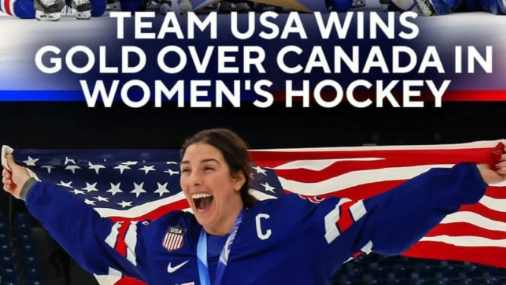
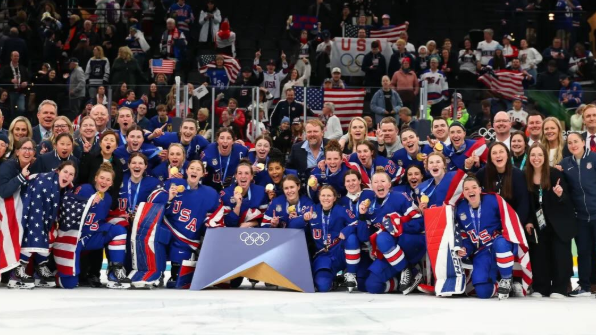
The latest entry into the legend circle arrived in Milano Cortina, where the United States met Canada for their seventh Olympic final in eight attempts, which is a kind of consistency. The game itself played like a defensive textbook, and it was locked 1–1 after 60 minutes and then in overtime, Megan Keller fired home the decisive goal at 4:07, sealing a 2–1 victory and reclaiming gold on the world’s biggest stage. This final mattered in more than one way: yes, it meant reclaiming gold for the U.S., but it highlighted Hilary Knight’s ascent as the all-time leading U.S. Olympic point producer, while tournament MVP Taylor Heise signaled a generational handover, proving the U.S. depth is deeper than ever. So the 2026 final sits there as a real generational handover moment in women’s hockey, almost like a passing of the torch, only this time backed by results on the sport’s biggest stage.
About the Author