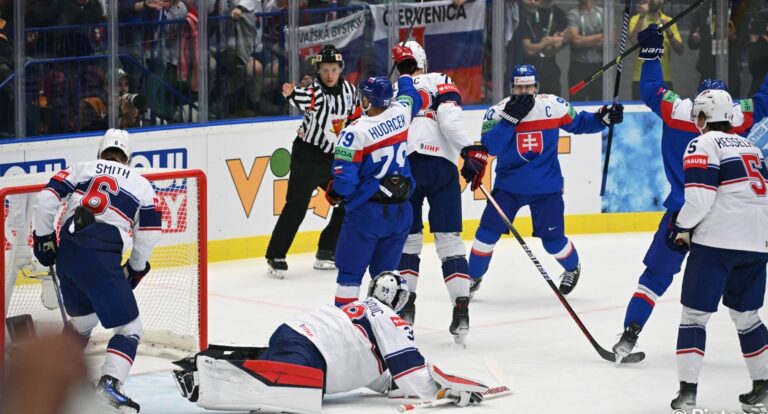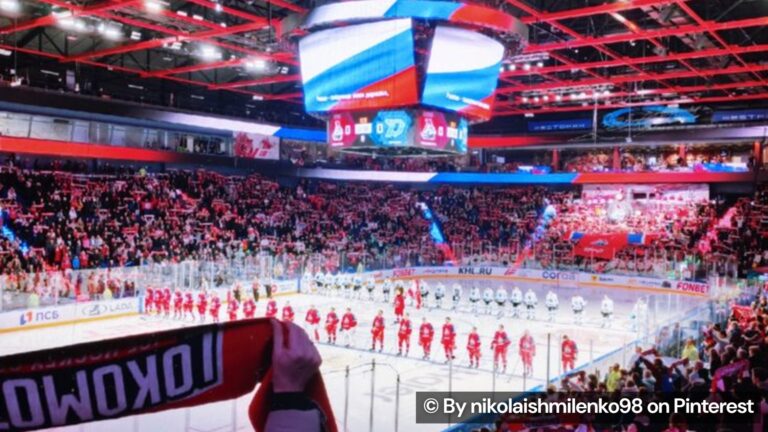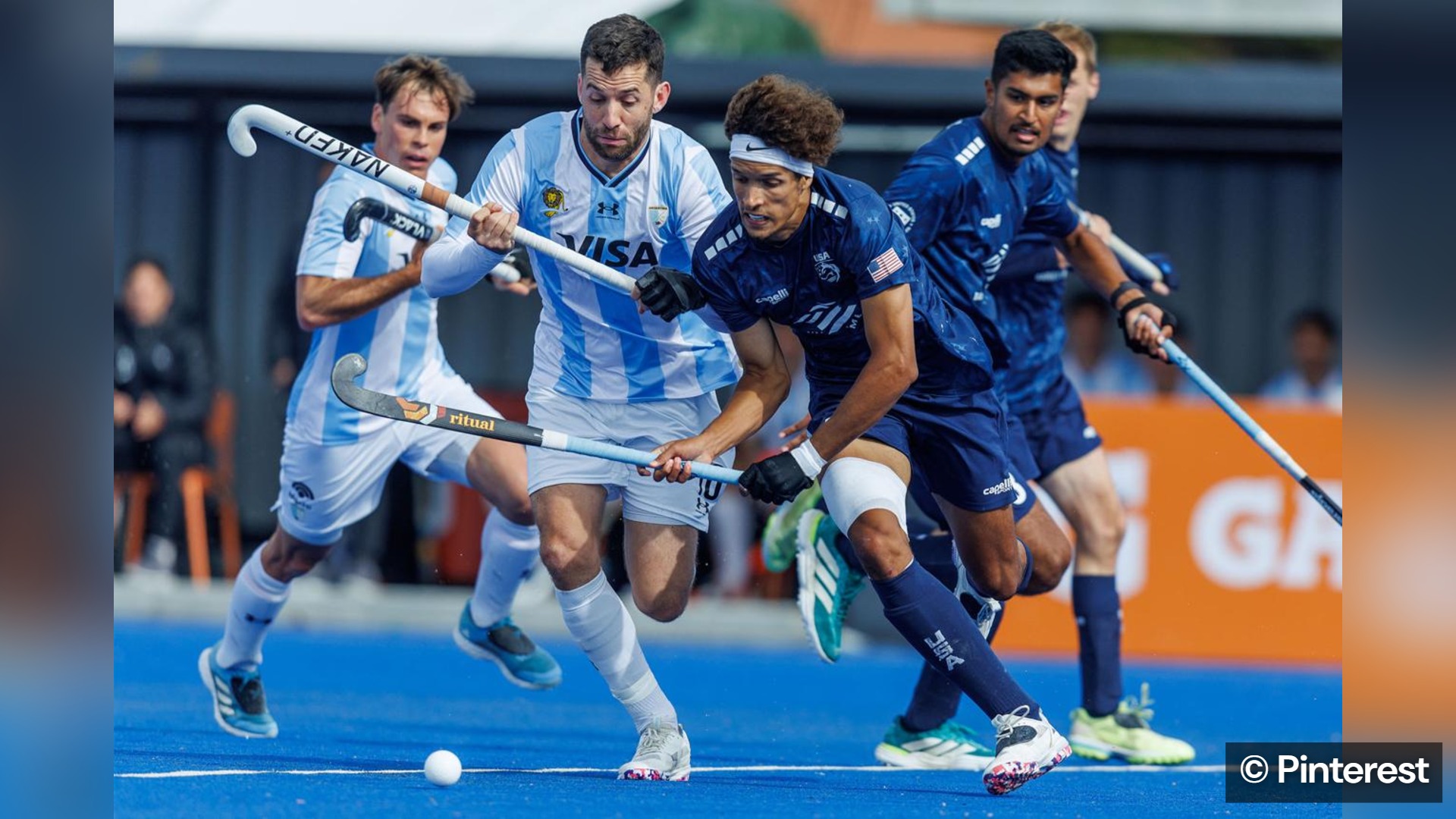
The competitive arena at a tournament offers a more intense playing environment than can be found in regular league hockey games, with teams that consist of players with different skill sets, playing habits, coaching styles and experience levels. Whether it’s field hockey or ice hockey, international tournaments involve both performance in a big way and national pride.
The fierce competition happening runs partly due to the limited opportunities that teams have for competing for their countries. Players who typically play on different teams suddenly find themselves on the same team, sometimes without much advancement period. Coaches have a responsibility to rapidly build tactics, create strategies and match formations with opponents that they will likely see infrequently.
The tournament structure also adds to the pressure. Most international competitions can run in a knockout format with group stages, which on the one hand can make it more challenging to secure a place in the finals, and on the other hand can spoil the prospects of the teams. The IIHF World Championship, for instance, consists of preliminary groups, quarterfinals, semifinal and medal contests, and features a promotion/relégation format that has repercussions beyond the World Championship itself.
There seems to be a similarly challenging international field hockey pathway. The FIH Hockey Pro League is also home to some of the best national teams going to play regular matches, while the FIH Nations Cup also offers a way to the Pro League via promotion and relegation. It creates a motive for teams to win points throughout the season instead of in an individual match.

The other element is tactical diversity. Regional teams play in various styles, and take a lot of time to adapt. For this reason, international tournaments put to the test more than skill. They require patience, control, flexibility, agility and stress management.
This mix of foreign hordes makes hockey overseas particularly intriguing, at least to fans. Each possession, each goal, each save and each tactical move can impact qualification, ranking and promotion and a medal opportunity. It’s this level of consequence that brings the unique competitiveness to international hockey games.
About the Author