Image credit : @paradise_hockey via instagram
The 2026 hockey season has kind of, maybe quietly revealed a shift in how elite prospects are spotted and then shaped, moving away from old-school scouting and into this high tech, data woven conveyor belt. Sure, fans only see the final thing on the ice, but the actual “ untold story ” is tucked behind the scenes, where training places are being reworked into something that makes more polished, NHL-ready athletes arrive younger than anyone expected.
From the breakout of ex second-rounders to the surge of big, mobile defenders, this wave feels like it’s coming from a specialized development idea that leans hard on technical precision, not just raw physical bulk.
The Rise of the “Sub-Elite” Prospect: The Lane Hutson Blueprint

One of the more gripping modern storylines in player development is the rise of someone like Montreal’s Lane Hutson. Drafted 62nd overall in 2022, Hutson basically sidestepped the “normal” scouting assumptions and ended up becoming a top tier NHL defenseman, wrapping up his Rookie season (78 pts in 82 games). His run has made NHL front offices rethink how they treat “undersized” players who process the game insanely fast.
Hutson’s growth is tied to small-area style sessions, which is a huge piece of programs like the OHL Performance Development Program, and it keeps pushing puck touches plus quick choices in tight spaces. That kind of coaching has suggested that a high “hockey IQ” can erase the physical edge larger opponents bring, sort of cancel it out.
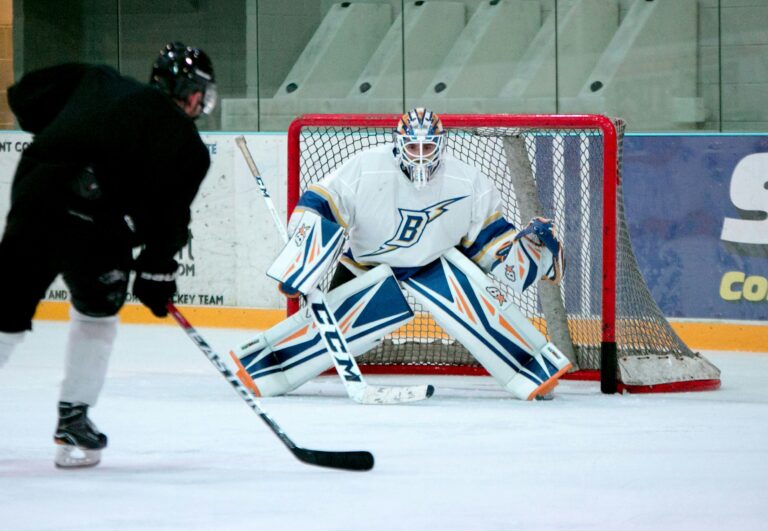
The Goaltending Renaissance: Wallstedt and the Technical Revolution
For a while the NHL acted like there was a goaltending “depth” shortage brewing, but 2026 is showing a pivot, led by Minnesota’s Jesper Wallstedt. Past eras often celebrated “reflex first” goalies, while Wallstedt is closer to a technical template. His 2026 postseason work, especially the .972 save percentage refers to his elite Game 3/4 stretch, in high pressure Round 2 situations, reads like the output of years spent in specialist academies that treat goaltending like a science project.
Those setups use Save Location Zone Maps along with high-danger scoring data to drill positioning, not only reaction saves. The result is that Wallstedt, and others like him, walk into the league with calmness that usually takes veterans a decade to grow.
The 2026 Draft: A New Breed of Physicality

Heading into the 2026 NHL Draft, the talent pool is starting to drift back toward size, but with one big condition, mobility can’t be optional anymore. Names like 6-foot-8 defenseman Maksim Sokolovskii and top prospect Gavin McKenna are being treated like the faces of this “hybrid” era. Sokolovskii, who climbed through the London Knights path, blends long reach with skating efficiency you’d expect from someone way smaller.
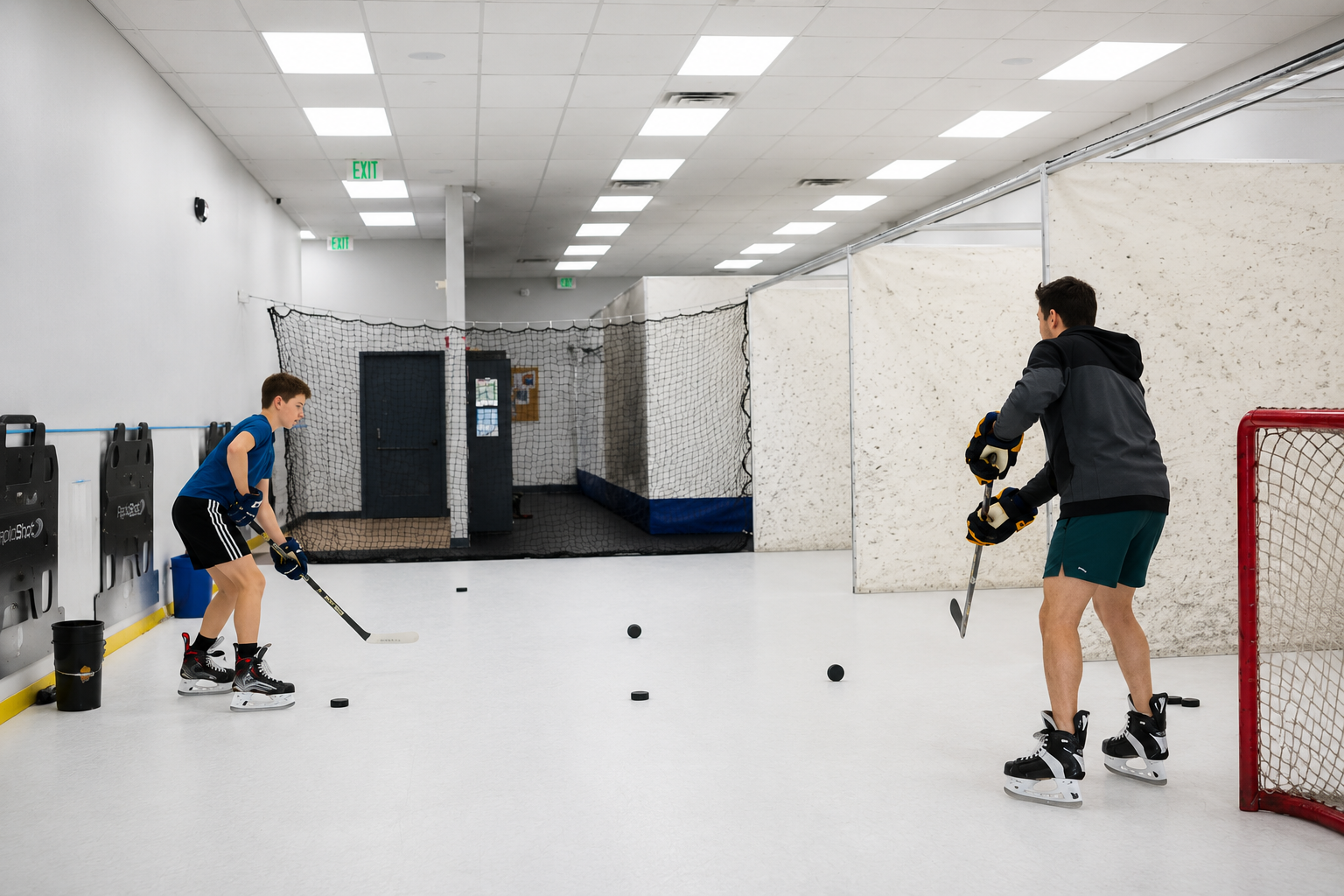
That mix doesn’t happen by accident , it’s shaped by off season work on edge control and lateral explosiveness programs. This new class of prospect points to a future where the “slow defenseman” basically gets phased out, because training machines and synthetic ice labs are showing up in the garages of serious young players sooner than ever.
The Data-Driven Path to the Global Stage
Outside the NHL, young talent is also being propelled by international governing bodies that have basically digitized the entire developmental trail. Looking ahead to the August 2026 FIH Hockey World Cup, countries such as India and England are using GPS tracking and real-time biometric readouts inside youth camps to find players who can meet the “total hockey” demands of the modern game.
This data-first method makes sure rising talent isn’t only the outcome of a lucky draft year , but rather the product of a global system meant to squeeze more performance out of human potential. And as these young stars keep taking the headlines, the quieter win goes to the technical, analytical infrastructure that built them in the first place.
About the Author