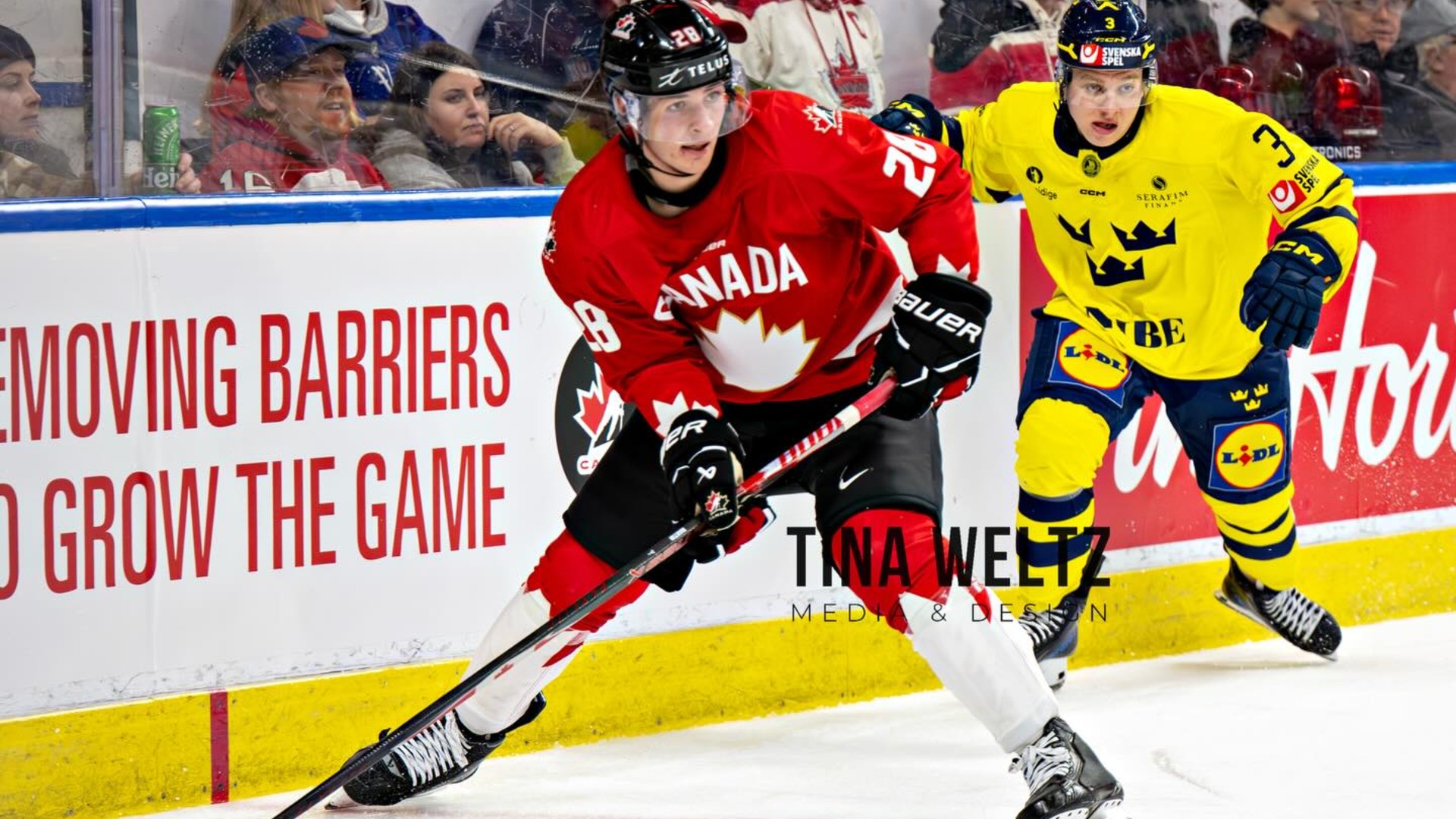
Credit: @tinaweltz_media on Instagram
While the NHL is the pinnacle of professional hockey for most fans, the continent has strong hockey leagues with varying styles and paths. The players are different, and they are influenced by different environments.
Style and Pace

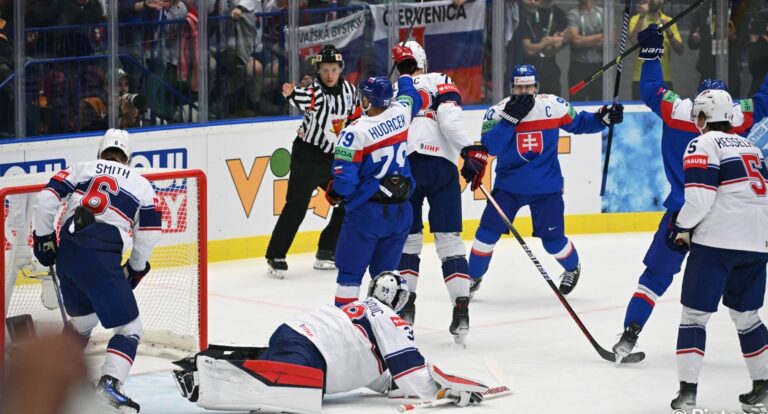
The NHL is all about speed, contact, and a smaller ice surface that encourages quick decisions and board battles. North American games seem more to the point. On the European rinks, many of them are larger, and this opens up the ice and stimulates more puck possession, longer passing sequences, and skating and positioning. The KHL, Sweden’s SHL, Finland’s Liiga and Switzerland’s National League are all in their own style, but most are in favour of a more open and skill-based style.
Structure and Depth
The competition balance and the commercial scale of the NHL’s 32-team format, salary cap, and long schedule are unique. There are lots of different types of international leagues. Others, such as the SHL and Liiga, have a very competitive pool of homegrown talent with strong prospects for the NHL. The KHL is a different geographic and monetary model. The overall talent level is usually highest in the NHL, but top European teams consistently turn out NHL players.
Development and Opportunity
The European leagues are destinations and stepping stones for many young players. Can be accelerated due to high-level competition at a younger age and varying philosophies of coaching. The NHL is still the pinnacle of competition and recognition for most. Nonetheless, there are successful careers being made exclusively in Europe.
The difference in overall quality remains in favour of the NHL, but the top international leagues are closing up the gap in skill and tactics. They’re building a hockey universe around the NHL’s level of action, buoyed by good national competition that builds talent and provides variations of the game.
About the Author