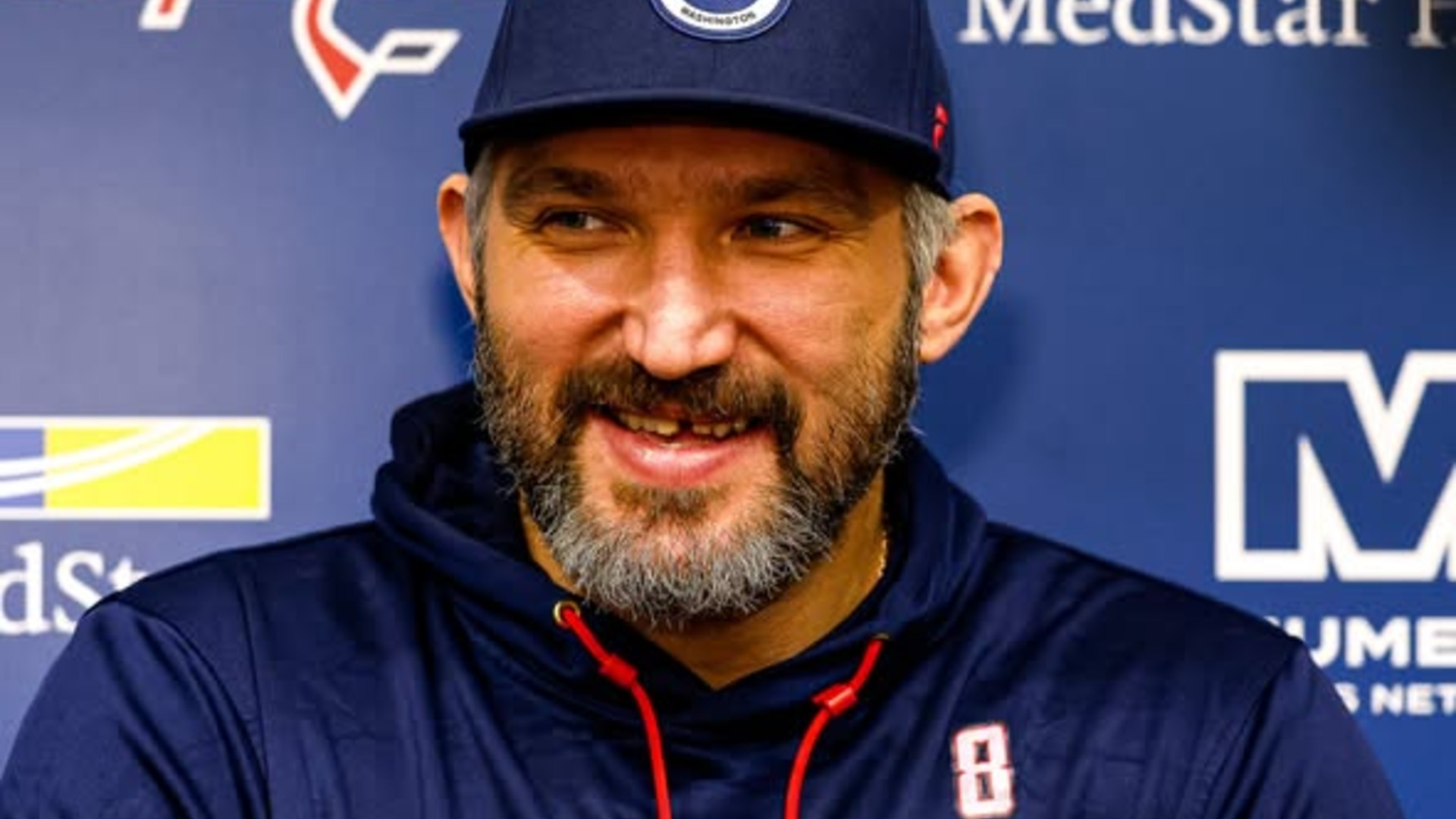
Image credit : @Capitals on Facebook
Introduction
When the Washington Capitals kicked off training camp for the 2026–27 National Hockey League season, team captain Alex Ovechkin ended up smack in the middle of a growing mess on the international stage. The longtime star is getting heavy blowback after showing up in a political campaign video tied to Russia’s ruling United Russia party, a group that sits close to President Vladimir Putin ahead of parliamentary elections. In that promotional piece, Ovechkin is seen alongside big Kremlin figures, including Foreign Minister Sergey Lavrov, which has then sparked major criticism from advocacy organizations, politicians, and even other athletes across North America and Europe. Reuters reference
Escalating political backlash
This appearance has set off a wave of condemnation, and now there are calls for policy checks and even formal sanctions against the NHL veteran. Latvia, for example, responded by pushing an official entry ban against Ovechkin, and advocacy groups like the Ukrainian Canadian Congress are urging North American governments to copy that approach, like travel limits and financial pressure. In the United States, lawmakers reportedly sent questions to NHL leadership, asking for a straight review on how the league handles players who publicly back the Russian government. Former NHL goalie Dominik Hasek also joined in publicly, saying that endorsements from well known Russian athletes can help legitimize state propaganda and also the broader wartime drive. Washington Post reference
Player defense
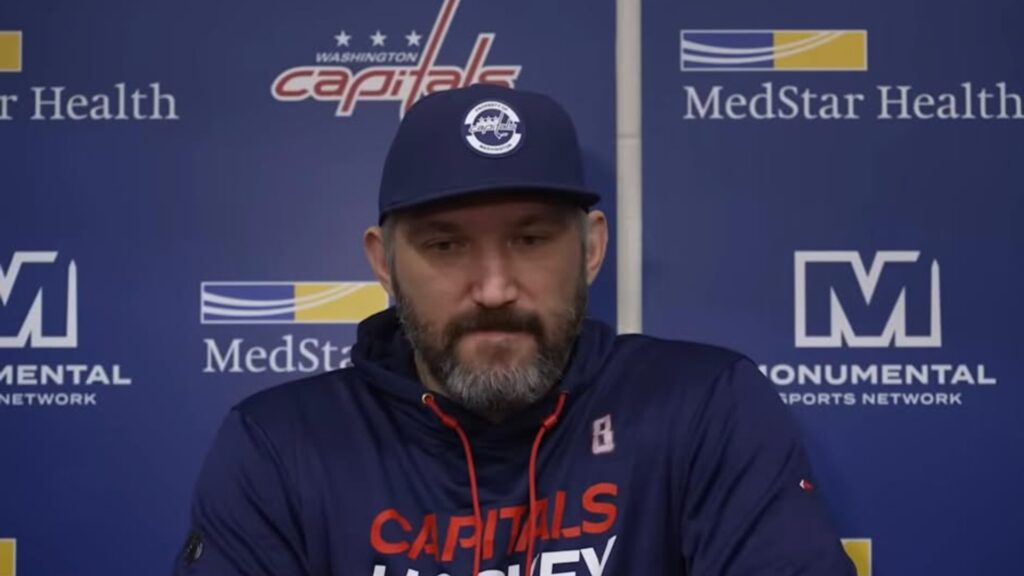
On the first day of camp in Arlington, Virginia, Ovechkin spoke to reporters and defended his involvement. He leaned into his national roots, plus family links, basically saying he just followed a direct request to take part. He also pointed out that he backs his home country, where he and his family plan to live full-time once the pro hockey chapter wraps up. During the back and forth with the media, the 41-year-old forward kept returning to themes of peace and mutual understanding, though he also tried to steer things back toward hockey, and the team’s day to day plans. He added that Washington D.C. is like a second home to him- saying he hopes fans and observers can appreciate his personal ties to both places. NHL.com training camp coverage
Team response
The Washington Capitals organization put out statements meant to deal with the tense geopolitical backdrop, while still backing their longtime captain. Team management acknowledged the anger there. General Manager Chris Patrick said it’s still a difficult situation and that he understands why people feel upset. But the official messaging also noted that Ovechkin was asked by his country to participate, and that they expect him to continue living in Moscow after retirement. The franchise, meanwhile, stressed its attention on the upcoming season, calling Ovechkin a core player and community touchstone in Washington even with all the intense attention coming from outside. Reuters reference
About the Author