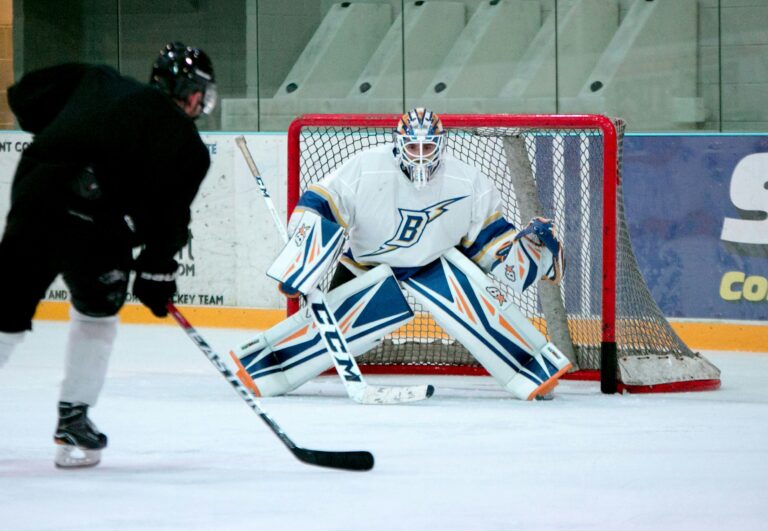

Image credit : @sons_of_italy via instagram
The 2026 hockey season kind of moved on from that intense Milano Cortina Olympics, and now it’s more like a Stanley Cup Playoff run that’s all offensive fireworks, but also these weird defensive freeze-ups. As of May 12, 2026 the second round of the NHL postseason feels like two totally different moods: East is crisp and efficient, West is, well messy momentum, with no real rhythm you can count on.
Offensive Volatility in the Avalanche-Wild Series

The Central Division matchup between the Colorado Avalanche and the Minnesota Wild has somehow delivered the most statistically odd game stretch of the whole season. In Game 1 on May 3, Colorado beat Minnesota 9–6, it’s a score you rarely see in playoff hockey anymore. The numbers were loud too: 15 combined goals and 84 total shots, like both teams forgot what defensive structure even means, plus goaltending looked shaky on both ends.
Colorado looked unstoppable at first, but then the series started to shift from pure chaos into these tight little tactical pivots. Minnesota answered in Game 3 with a 5–1 win, mostly because Jesper Wallstedt posted a .972 save percentage. That proved again, that even the strongest attacks can get slowed down by disciplined zone coverage and smart angles, but then Colorado swung it back on May 11 with a 5–2 win in Game 4, and they grabbed a 3–1 series edge. The kicker is they did it while missing key defenders Lehkonen and Malinski, due to injuries, which is not exactly the kind of situation you’d call “ideal.” Right now this series is basically the headline example of how elite teams have to flip between track-race scoring and defensive slogging just to make it through round two.
Carolina’s Perfect Pursuit and the Flyers’ Special Teams Failure

In the Eastern Conference, the thrill was more like chasing historical perfection. The Carolina Hurricanes finished the Philadelphia Flyers on May 10, sweeping them 4–0 and pushing their postseason streak to 8–0 and that’s the first time since the 1985 Edmonton Oilers that a franchise has started a playoff run with eight straight wins, which is kind of wild when you think about it.
This matchup was decided by tight margins, plus late-game moments that felt almost scripted. Especially Game 2 and Game 4, where Carolina won 3–2 in overtime, and neither result was just “easy.” In Game 4, Jackson Blake’s goal that closed the series came at the end of a pretty brutal special-teams showdown. Carolina’s penalty kill was 100% , and it totally shut down a Flyers power play that ended the series with a 5.2% conversion rate. For the analysts, the “thrill” wasn’t the goal totals, but the mental pressure Carolina just kept refusing to let even one game slip away.
Regional Rivalries and the Pressure of Game 5
The Atlantic and Pacific Divisions are giving the cleanest balance right now, because both series are moving toward critical Game 5s today May 12. In the Atlantic, the Montreal Canadiens are up 2–1 on the Buffalo Sabres after Montreal rolled them 6–2 on May 11 and Buffalo had a fast start in Game 3 but once the early momentum faded, the Sabres let in six unanswered goals, and it really exposed how their young defensive group still lacks veteran composure.
In the Pacific, the Vegas Golden Knights and Anaheim Ducks are stuck in a 2–2 knot, deadlocked and Game 4 went Anaheim’s way 4–3, and Cutter Gauthier paced it with three assists. This series keeps swinging back and forth as each team tweaks the matchups and adjustments.
Vegas leans on the grizzled edge of stars like Mitch Marner, while Anaheim runs on that “spark and swagger” style that people associate with rookie Beckett Sennecke. With Game 5 set for tonight in Las Vegas, the spotlight has flipped hard onto the veteran Golden Knights to steady things at home against a Ducks lineup that seems to be playing with house-money confidence, no pressure, no fear.
About the Author