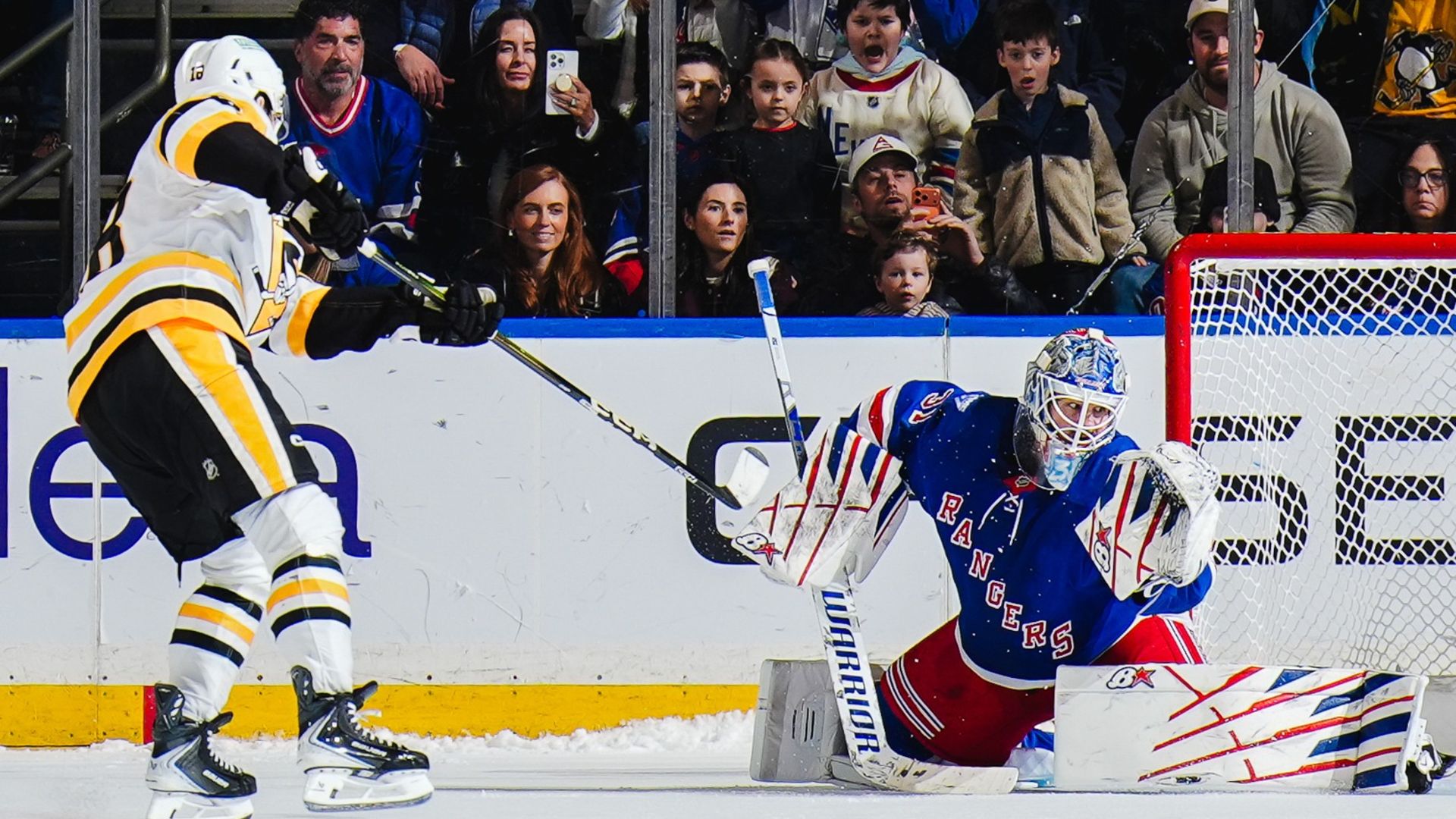
Credit: @nyrangers on Instagram
One call can change everything in the last few moments of a close hockey game. If a team is down a goal, the goalie is replaced by another player on the bench, and one additional attacker is sent out. Without a Net, it becomes an opportunity and a threat, resulting in a tense race at the end of the game.
Calculated Chaos on the Ice
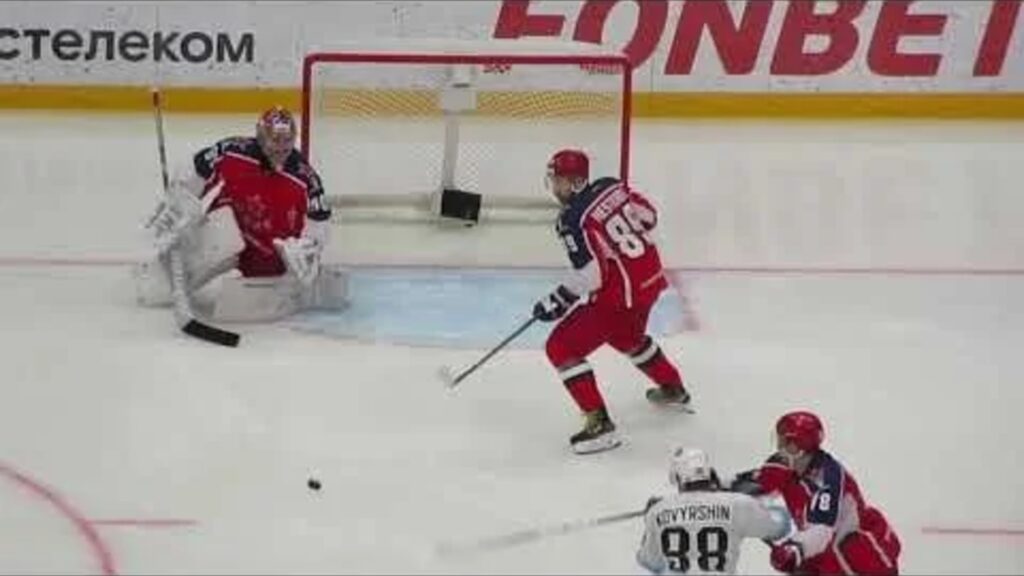
Pulling the goalie gives attackers more options and pressure in the attacking zone, as it becomes a six-on-five situation. An additional skater can make a turnover or create the equalizer. Meanwhile, the empty net is exposed. If you miss the shot, your lead does not come off but increases.
The strategy lies somewhere between the highest reward and the highest risk. Teams develop the timing and systems of the open-net attack and defence. Sometimes it works out with a late-game goal, like tonight. Other nights it concludes with an empty-netter which closes the score. Whatever the case may be, the decision puts the game on another level.
Why It Still Defines the Close
There’s already a sense of urgency in hockey’s final minutes. If the goalie is pulled, overemphasize it. The fans go up, and all players realize that there is no margin for error left.
Playing for the edge of the sport is the ultimate way to do it: risking it all for one more chance. When it is successful, it makes for moments that last a lifetime. If it doesn’t, it just shows a team that it does not take the scoreboard seriously.
The empty-net kick is a testament to the sport’s close calls; it’s still causing some casualists to fall back and others to jump forward. It’s a risk, an assertion, and a real game-changer.
About the Author