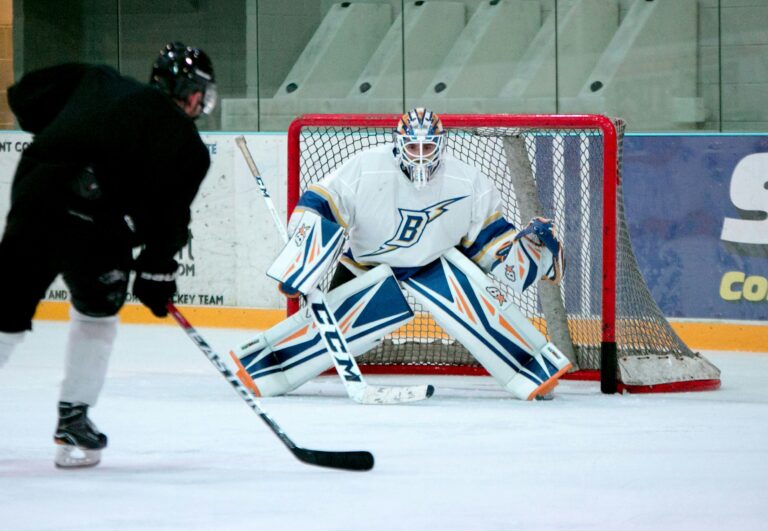
Image credit : @bad_dawg_media on Instagram
As training camp kicks off around the league, GMs are racing to manage the final details of each team’s depth chart while staying under the league’s hard cap. The recent rash of contract signings points toward the league’s primary offseason approach: signing its core young players to long-term bridge contracts while surrounding them with a roster of low-risk, professional tryout (PTO) players and short-term veterans.
The primary focus of NHL front offices has been managing pending restricted free agent (RFA) contract negotiations. Teams that do not resolve these matters before the season begins risk missing valuable time with players getting into game shape. Meanwhile, borderline veterans are arriving on PTO contracts, competing for spots on the NHL roster’s bottom six forward lines, and filling extra defensive slots.
From a coaching perspective, there are difficult choices to be made involving exciting prospects who made a splash in rookie development camp. Coaches need to determine if an invitee deserves an immediate shot to earn a role or should be returned to their junior or AHL affiliate, preserving their long-term value as a development pipeline. The sizable contracts handed out to blue-chip NHLers over the summer have increased the bar for veteran contract extensions and hotly contested roster spots on the PP units and top two forward lines.
With preseason games right around the corner, hotly contested roster decisions will have significant implications for starting line combinations and special teams units heading into a long NHL campaign. Expect numerous tweaks to final 23-man rosters before opening night.
Source: NHL Free Agent Tracker & Official League Transactions
About the Author