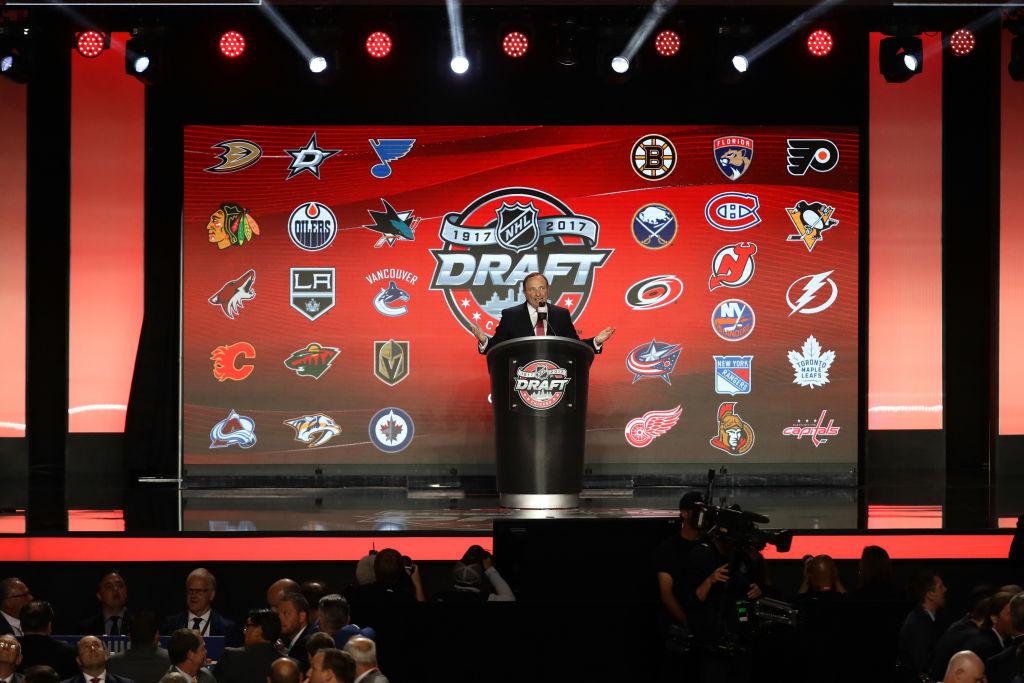
In the time leading up to NHL Draft Day, the cameras center on the stage, the commissioner calling off names and on the young players in their new team jerseys. However, the glitz and glamour of the show is likely just the part of the business that the public is seeing.But before the cameras, the clubs have been managing an elaborate plan that entails scouts, executives, analysts, medical staff and coaches.
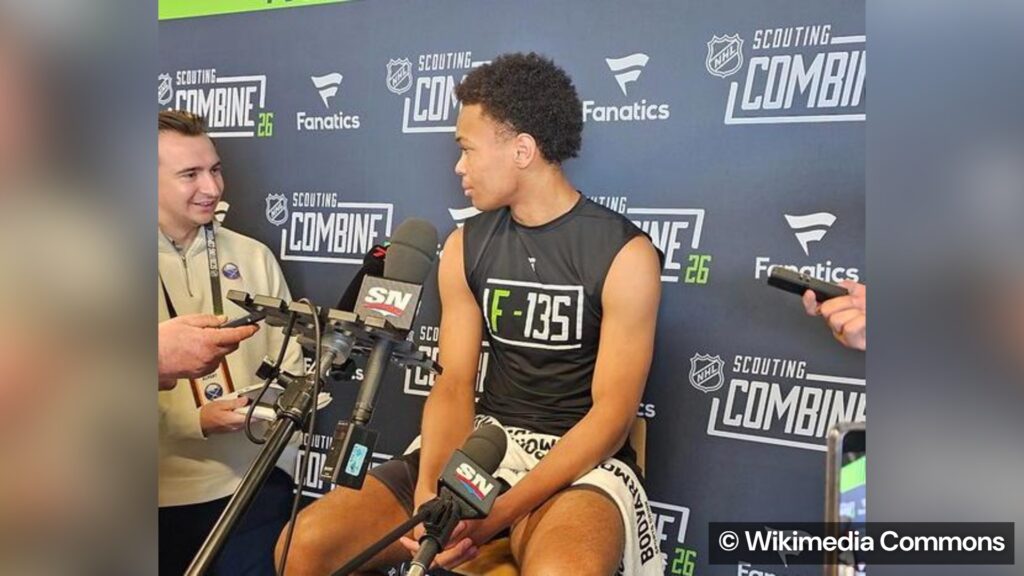
Drizzle has been a scouting process that lasts months, if not years, before a team makes its pick. Game reports, statistics and interviews along with medical and physical testing are used to create comprehensive player profiles with team. The NFL Scouting Combine is significant in that clubs can sit and have meetings with prospects, survey medical and fitness reports, etc. prior to making their decisions.
Once the pick mode is in the draft war room, each pick is discussed. The general managers and scouting directors make comparisons with the still playing options left before them and analysts try to corroborate and defy their instincts. If new data alters the team’s assessment, a player with a high rank a few months ago can easily become a “problem player”.
Another key aspect of Draft Day is communication. Teams continually watch other teams making efforts to guess who they might be able to draft ahead of their draft. This can open the door to trade talks, general managers looking for an opportunity to get promotion, demotion or further selections.
Once the timer is going on, the pressure mounts up. A team will only have a couple minutes to verify and finalize and submit their selection. Sometimes, what appears to be a blip on the news will take years to scout, and hours to discuss with fellow players.
That’s what makes things so interesting at Draft Day—the best playmaking of the day is often done behind the scenes. Much of the real work has taken place within the walls of those rooms before a prospect enters the stage.
About the Author