Image credit : @HockeyUnplugged on Facebook
Roster Strategy Shift
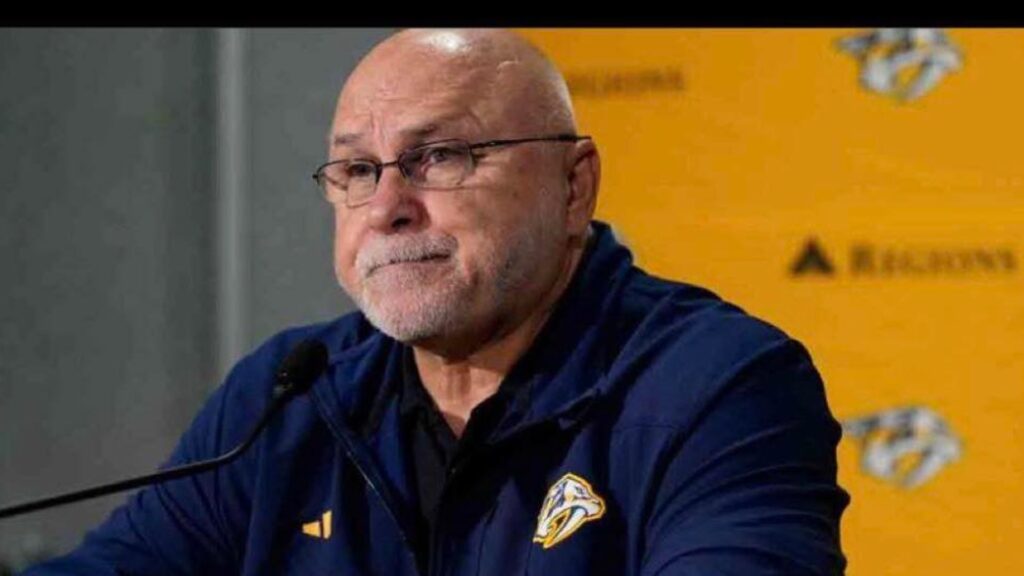
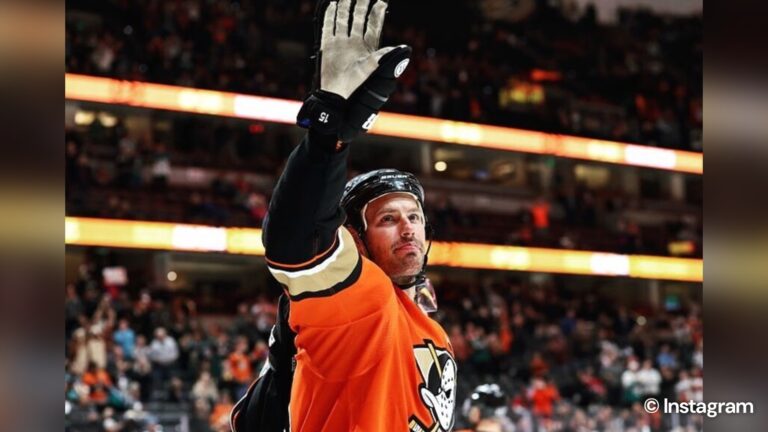
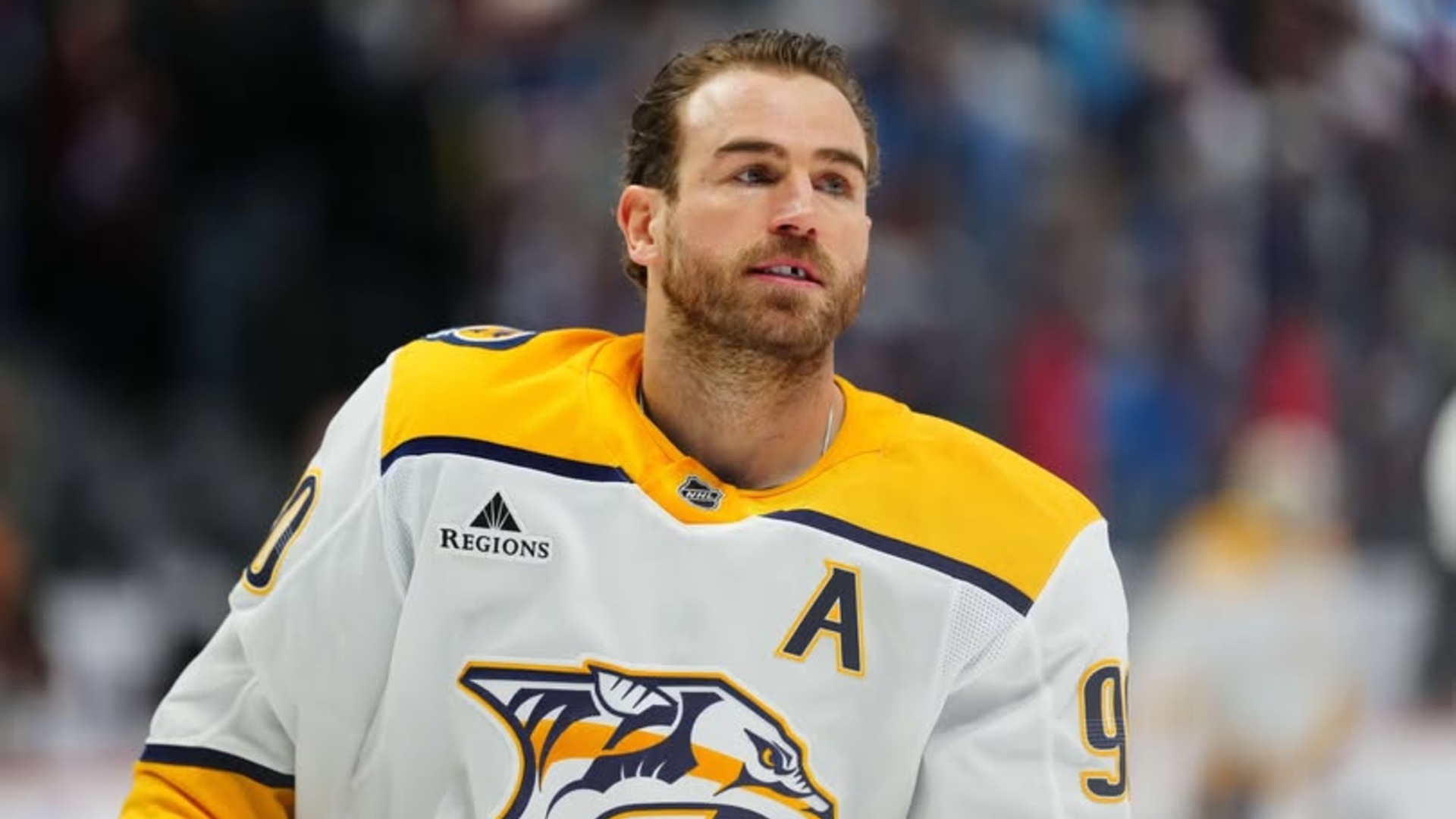
The Nashville Predators operate in this modern NHL world where the long game matters more than keeping the same roster forever. General Manager Barry Trotz went ahead and signed center Ryan O’Reilly to a four-year, $18 million deal in July 2023, with an annual average value sitting right at $4.5 million. O’Reilly was brought in, so they say, to bring elite two-way leadership plus some top-line stability but if the season starts slow it really messes with what the organization expects next. If Nashville ends up out of playoff conversation early, keeping an older veteran center around starts to clash with the need to collect future pieces, like assets and high-end draft picks.
Marketable Contract Value
O’Reilly’s contract right now is actually an unusually good trade tool for Stanley Cup contenders, because it gives them proven postseason depth without the usual hassle. He has already won the Stanley Cup, the Conn Smythe Trophy, and the Selke Trophy, so his “resume” in the playoffs is not just nice, it’s heavy. That $4.5 million cap hit is also low enough to make swapping him way easier than most top-six centers, since other teams can fit it in, without doing a massive cap shuffle or pulling off a dozen math problems. If the Predators stumble early, playoff-bound clubs would likely come forward fast looking for his defensive dependability and sharp faceoff work.
Rebuild Asset Accumulation
Trading a well-known veteran can flip a franchise toward a cleaner rebuild, more like a deliberate restart rather than drifting. A two-way forward with O’Reilly’s credentials tends to bring real value back in trades, usually first-round draft selections plus strong prospects. And if the Predators drop important points early, then slide down the standings, it becomes almost mandatory to cash in on his trade-market pull. Shifting his usage away from the forefront and toward younger, developing forwards helps the organization chase longer-term growth, while also stacking the draft capital needed to rebuild the core.
Mutual Career Realities
A midseason move could work for both sides, meaning the team direction and O’Reilly’s remaining career goals. By this point, O’Reilly likely wants the best chance to compete for championships, not to spend his last productive seasons on a team that isn’t truly in it. Sure, he came to Nashville to help shape a winning culture, but if the early-season record collapses then it’s pretty clear the competitive window is closing. Making it possible for him to go to a contender gives O’Reilly a shot at another run, while letting Nashville pivot, pretty smoothly, into its next competitive era.
About the Author