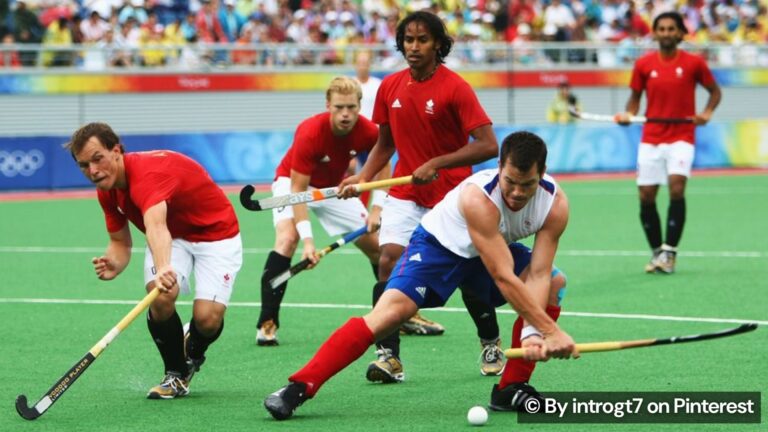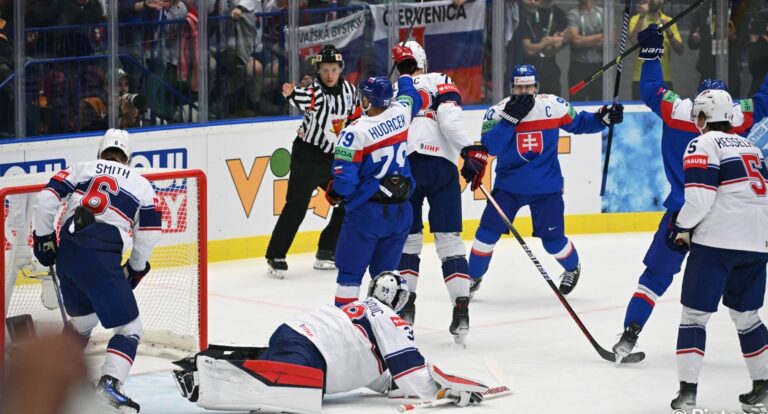
Hockey moves at a high speed, part of the reason for that is how fast players run. Field hockey runners sprint across the ground at high speeds and ice hockey players run at a very fast speed. Whilst matches are highly competitive, they are also accomplished by having to play at a reasonably high tempo with quick changes of direction, as well as powerful accelerations and sudden stops.
The puck in ice hockey and the ball in field hockey moves at lightning speed, too! In a field of hockey, the power of a shot can exceed 150 km/h in a professional ice hockey field. Goalkeepers are one of the most difficult positions in sports as they must stop a ball within fractions of a second.
The nature of hockey is transition either way. Attack and defence can be reversed, possession can change hands a number of times within a minute. In this fast-paced style, players need to be aware and decisive in order to adjust to the ever-evolving game state on the pitch.
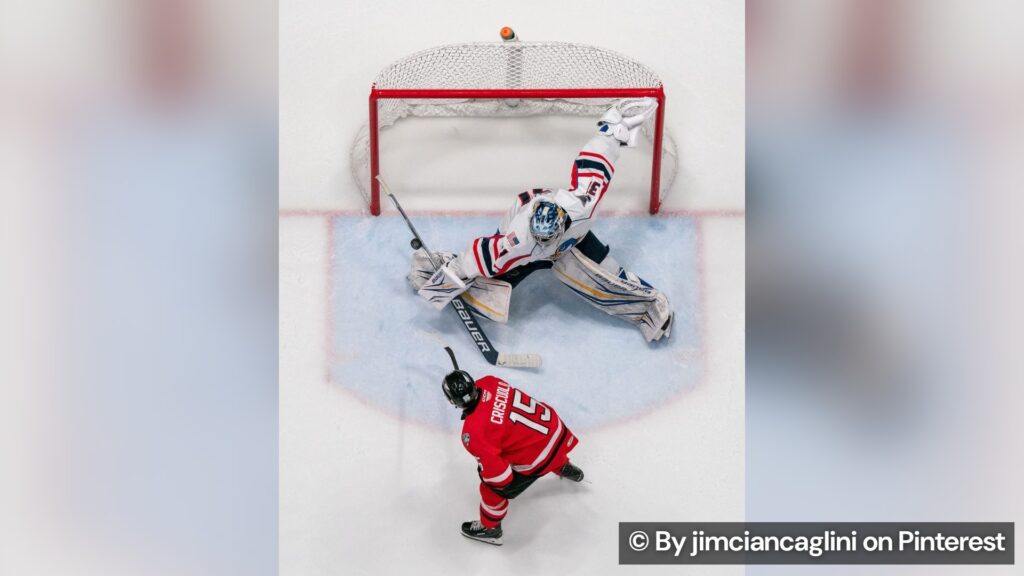
The game’s intensity is kept high through physical fitness. Every hockey player must have to excel during the game by being fast, durable, agile, balanced and strong. They are used to explosive movements when they undergo regular training without getting distracted.
One of the special things for hockey is that it is a team game, and it is played under pressure. Players communicate rapidly, these moments are marked with colliding accuracy and players orchestrate goal creating opportunities as opponents bring constant pressure. Time can’t be wasted and a small error will become a goal instantaneously.
Today’s hockey is even quicker due to modern equipment, coaching skills and playing surfaces. Players can play light sticks, skates too and quality turf permitting them to be played faster and more accurately.
It’s still one of the fastest sports in the world, as hockey is a perfect mix of speed, skill, strategy and endurance in an exciting sport that has virtually no down time.
About the Author