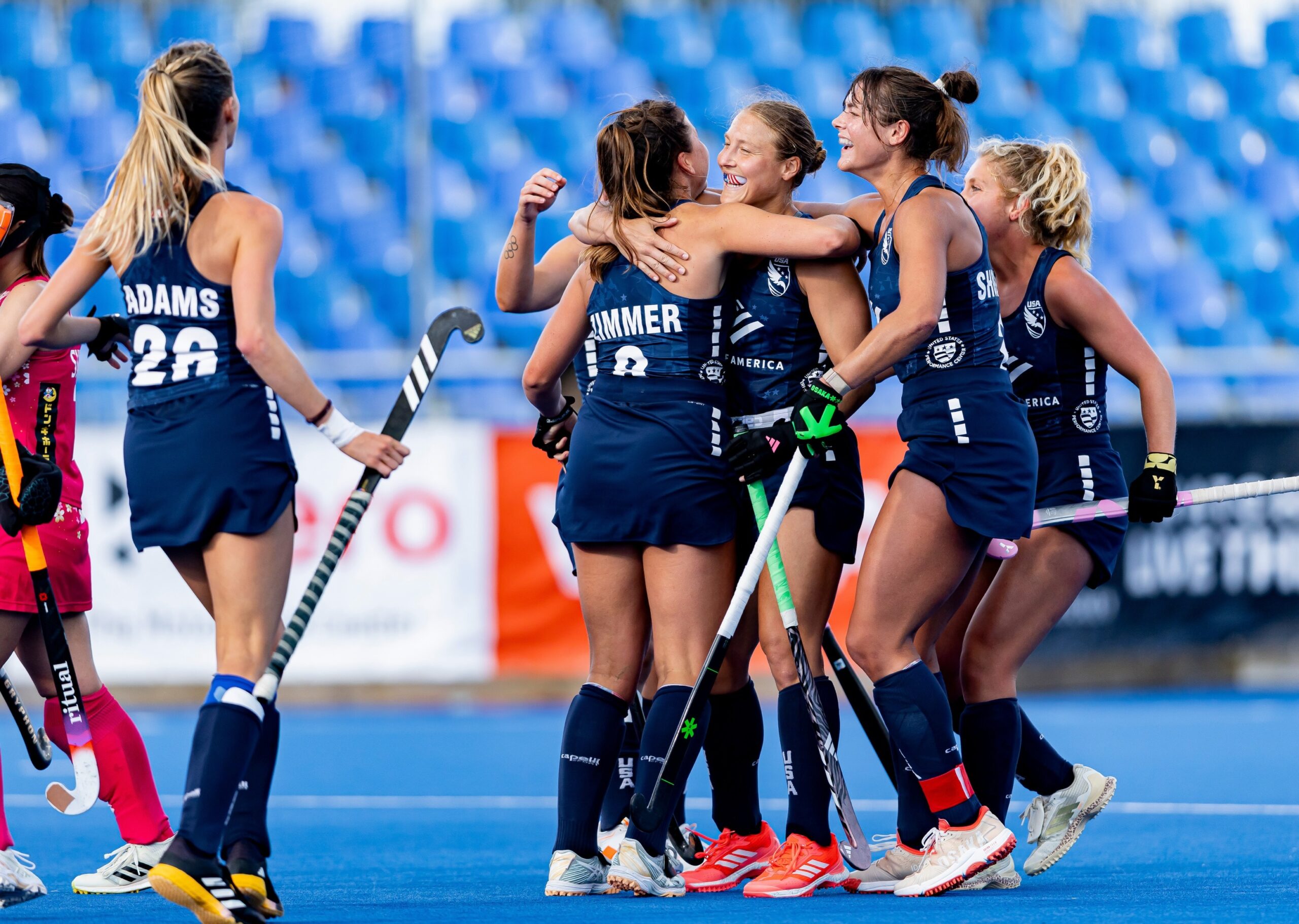
Credit : usafieldhockey on Instagram
Unlike most other sports, time in hockey moves like no other game. The sheer speed at which a puck moves along a flat surface, combined with the frenetic tempo of the game, makes it a unique ecosystem; the complete direction of the game can be altered in a heartbeat. As the game clock dwindles towards its dying seconds, desperation meets brilliance in what generally leads to the most intense endings in sporting history.
There are hardly any games that contain last-gasp drama like hockey does, take for instance, legendary “Miracle on Ice” in 1980, where Mark Johnson’s equaliser for the U.S against the then superpower Soviet Union was scored when only a second remained on the clock for the end of the first period, his equaliser changed the momentum of the entire match which paved the way for arguably one of the biggest upsets in the history of international sport.
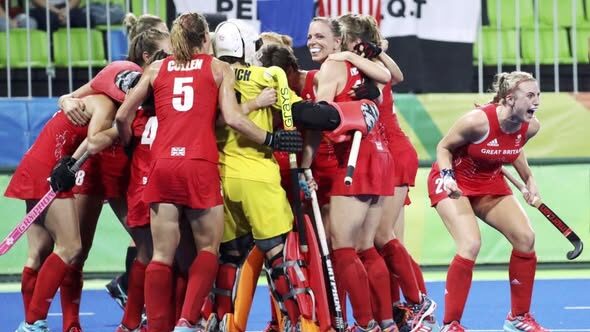
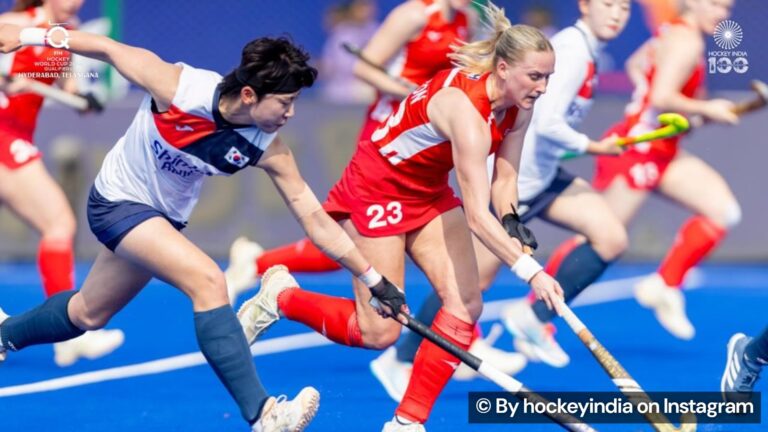
The same level of drama occurs in top-flight field hockey; at the 2026 World Cup stage, the Indian captain Harmanpreet Singh executed a clinical penalty corner with exactly 26 seconds remaining for him to level with highly-rated Belgium and leave everything to play for. These endings are magical, because there is hardly any margin of error.
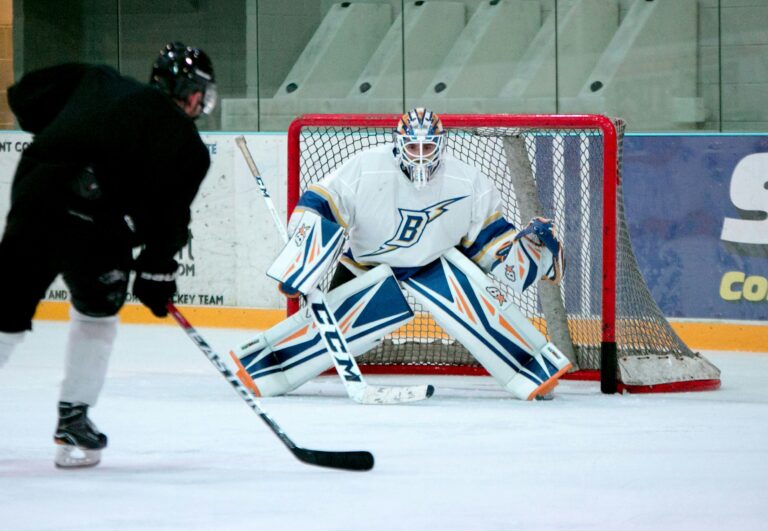
As the clock counts down to its end, the coach withdraws the goalie to deploy a sixth attacking player, which then brings relentless pressure, or open goals which can lead to easy opportunities, desperate clearances from goal lines or defenders launching themselves directly into harm’s way and attackers responding with swift decisions in chaos. It all boils down to an equalizer hit or a frantic goalline clearance, and ultimately the last few seconds of any hockey game will test the focus and nerves of an individual like none other.
Because in hockey, only when the hooter goes is it a final.
Source: International Hockey Federation (FIH) Tournament Archives & Olympic Historical Records (1980-2026).
About the Author