
Image credit : @sawyerdevelopmentinstitute via instagram
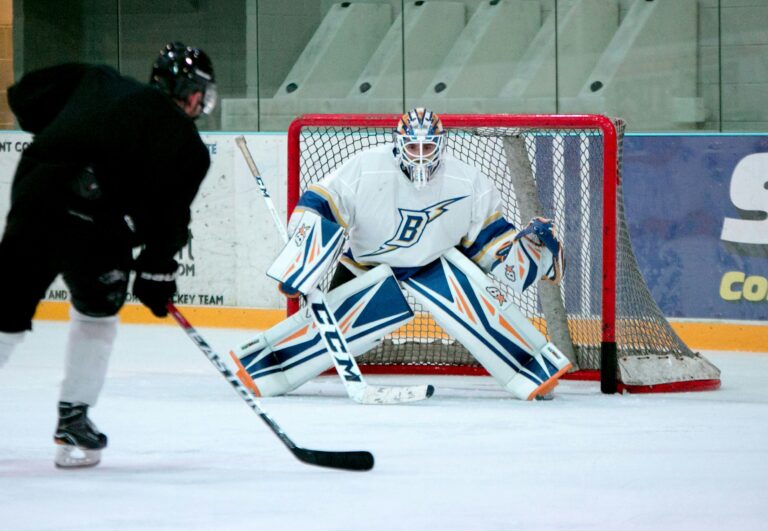
The year 2026, it kind of feels like that quiet-but-big shift in hockey where you look around and it’s like all the old legends, the ones that basically set the tempo for like the last twenty years now have to hand it over to the next group, the same group they somehow helped shape in the first place and it shows up everywhere, from ice rinks in North America, all the way to blue turfs in India. It’s not just the record books either, more like you can feel it in the way people play now, those tiny tactical habits, the discipline, the whole “this is how we do it” culture while newer stars step in. And honestly those athletes didn’t only stack trophies, they rewrote what “professional standards” even means for the sport.
The Dual Legacy of Sidney Crosby and Connor McDavid

Sidney Crosby’s pull on the international game still lands like a gold standard for leadership. He carried Canada to Olympic gold in Vancouver 2010 and Sochi 2014, and even now he acts like a steady veteran reference point for younger Canadian stars entering the modern global cycle. Crosby’s path is largely about moving from a high-scoring kid phenom to one of hockey’s most all-around two-way centers. Basically he made it normal, that getting back defensively isn’t optional, it’s just as important as offensive flair, sometimes even more, you know.
Connor McDavid though, he has basically remade the mechanical ceiling in hockey. His work ethic, plus a skating speed that feels almost unfair, has pushed youth academies all over the map to put more attention on edge work, acceleration, and clean puck handling at full throttle. By stretching what feels physically possible on ice, McDavid has locked in a new baseline, so the next batch of NHL players aren’t only faster but also more technically refined than before, like the whole sport is quietly recalibrating to a different standard.
The Lasting Influence of Hilary Knight and Marie-Philip Poulin
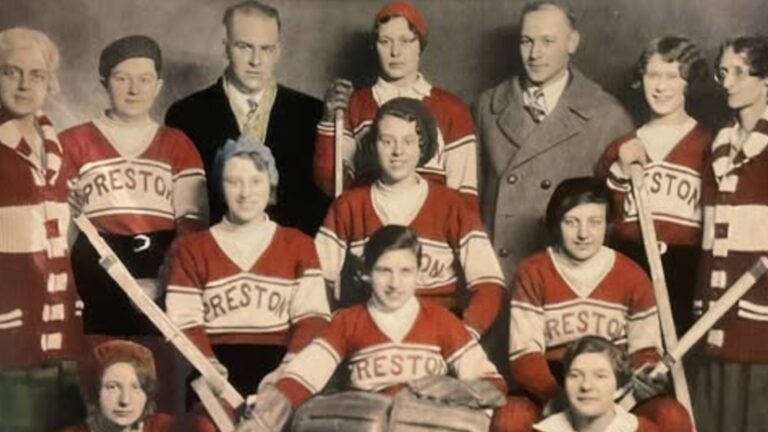
In women’s ice hockey, the ongoing rivalry between Hilary Knight and Marie-Philip Poulin has become one of the sport’s key modern threads and Knight’s career helped raise the visibility and professionalism of women’s hockey in the United States, and her push for stronger professional opportunities also helped clear the way toward steadier leagues, like the PWHL. Young players now can see a more believable longer route into professional competition, not just a short-lived dream that vanishes after a season.
Marie-Philip Poulin, on the other hand, picked up the nickname “Captain Clutch” for a reason, she delivers with brutal consistency in high-pressure moments. Her record of finding the net in Olympic gold-medal games set a hard benchmark for composure and leadership when it matters most. Together, Knight and Poulin nudged women’s hockey toward a quicker, more physical, and more globally seen era, the one that pulls in broader audiences and noticeably higher competitive expectations.
Indian Field Hockey’s “Great Wall” and the Modern Leadership Core

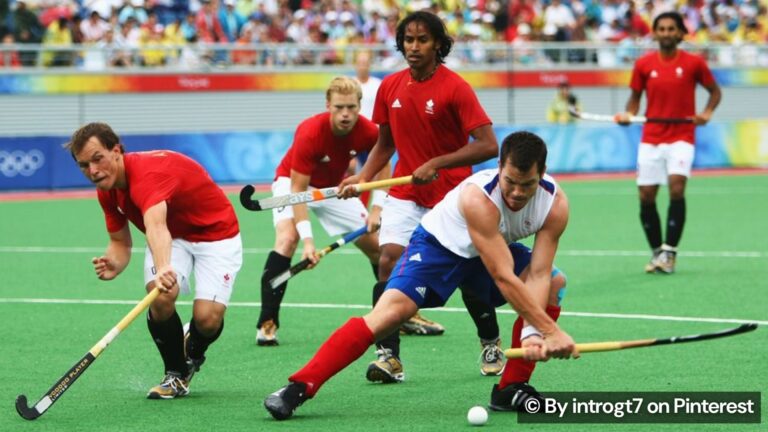
India’s field hockey resurgence through the 2020s is tightly linked to legendary goalkeeper PR Sreejesh, and to captain Harmanpreet Singh too and Sreejesh, known as the “Great Wall of India,” retired after helping bring India back into consistent medal contention internationally, and his impact stays alive through mentoring younger goalkeepers inside the national setup. His career basically proved that elite goalkeeping is still one of the core foundations of championship-level hockey.
Harmanpreet Singh, often called “Sarpanch” for the way he leads, inspired a new wave of drag-flick specialists. As one of India’s top scorers during recent Olympic and Pro League cycles, he became the kind of player who can turn tense, pressure-packed moments into real scoring chances. His consistency on penalty corners helped reshape set pieces into one of India’s sharpest weapons, while his captaincy connected the country’s historic hockey legacy to a more modern, tactically disciplined chapter, with structure and intent.
About the Author