Image credit : @lifewithheidi via pinterest
The NHL is one of the toughest leagues in professional sports, and staying relevant for nearly two decades takes more than natural talent and as the game evolves, players must constantly adjust their style, training, and mindset to compete with younger, faster opponents and some stars end up fading, but others flip the script and keep extending their greatness past what anyone expected. From switching roles to basically having playoff comebacks, these guys showed that reinvention is often what turns you into a real hockey legend, even if it looks messy at first.
Brent Burns: From Chaos to Consistency
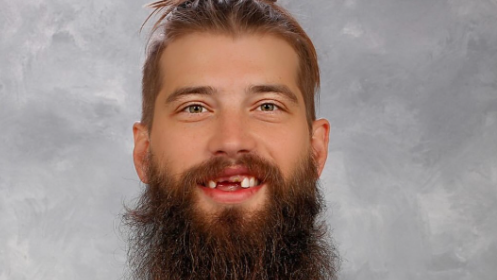
Not many NHL careers flipped as hard as Brent Burns’. When he first came in with the Minnesota Wild, he was seen as this raw physical player who seemed to bounce between forward and defense, like he was never fully decided. His athleticism was pretty obvious, but early on, consistency was sort of the big question, at least for a while.
Everything changed once Burns fully committed to playing defense. Over time, he became one of the NHL’s more dangerous two-way blueliners, mixing elite offensive output with nonstop physical presence. That change finally got him the Norris Trophy in 2017, the award for the league’s top defenseman.
Even at 40 years old, Burns keeps pushing what “long” looks like in modern hockey. With the Carolina Hurricanes, he became only the second player ever in NHL history to reach 1,000 straight NHL games, which basically seals the idea that he’s one of the league’s top ironmen.
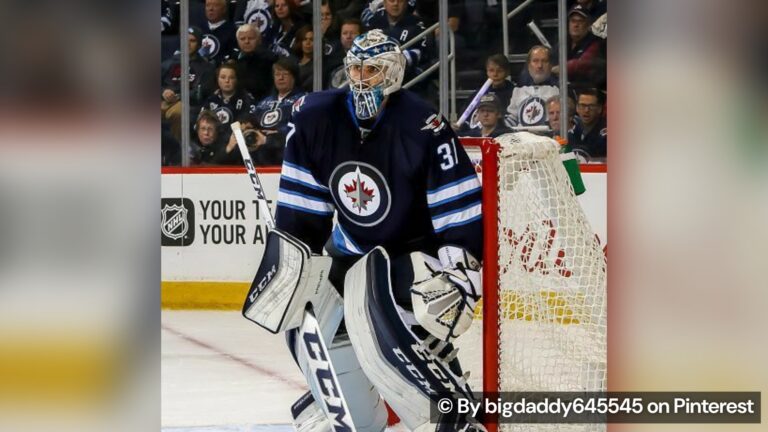
Sergei Bobrovsky: From Question Mark to Champion
Sergei Bobrovsky’s whole story is resilience. He won two Vezina Trophies with the Columbus Blue Jackets but once the postseason started, success didn’t always arrive the way people hoped, and critics kept wondering if he could really carry a team deep into playoff rounds.
After he moved to the Florida Panthers, those doubts didn’t really chill. His huge contract immediately turned into a convenient target, and sometimes Bobrovsky looked like he wasn’t the same high-end goaltender people remembered.
But then in Florida’s wild 2023 playoff run, something shifted. Bobrovsky changed his approach, using less of that explosive movement style, and leaning more on positioning, patience, and just plain experience. The veteran netminder became the backbone of Florida’s resurgence, and he played a big part in Florida winning the 2024 Stanley Cup. By the later stages of his career, one of hockey’s biggest question marks became one of its greatest comeback narratives, end of story.
Alex Ovechkin: Evolving the “Great 8”
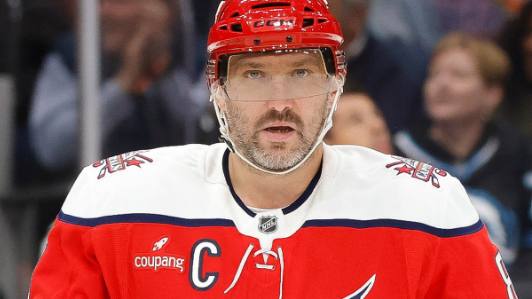
Alex Ovechkin built a legacy as one of the most physical scorers the NHL has ever had in his earlier years and the Washington Capitals star essentially overwhelmed defenders with sudden speed, punishing hits, and one of the most feared shots in the league.
Then as he moved into his late 30s, Ovechkin started adjusting to keep his body intact while still scoring like he was supposed to, instead of leaning on nonstop physical play, he became more selective with how and when, he moved, and he leaned harder into that unmatched hockey IQ plus shooting precision.
And it worked! In a major way, and on April 6, 2025 Ovechkin scored his 895th career goal to pass Wayne Gretzky and become the NHL’s all-time leading goal scorer and later he became just the second player in league history to total 1,000 combined regular-season and playoff goals. Even at 40, “The Great 8” keeps proving that elite goal scorers can evolve without losing their edge, or their bite.
The Blueprint for Longevity
Modern hockey doesn’t really let players coast on raw talent only, not anymore and speed, recovery, conditioning, and adaptability all matter just as much as skill itself; usually, the players who last the longest are the ones willing to rewrite their identity while the league keeps moving around them.
Brent Burns transformed from a chaotic utility player into a dependable defensive star. Sergei Bobrovsky rebuilt his reputation through experience and composure. Alex Ovechkin adjusted his game to continue chasing history deep into his career.” Together, their stories make the point pretty clear: longevity in hockey isn’t simply about staying healthy, it’s about recognizing when it’s time to reinvent yourself, even if you don’t feel “new” yet.
About the Author