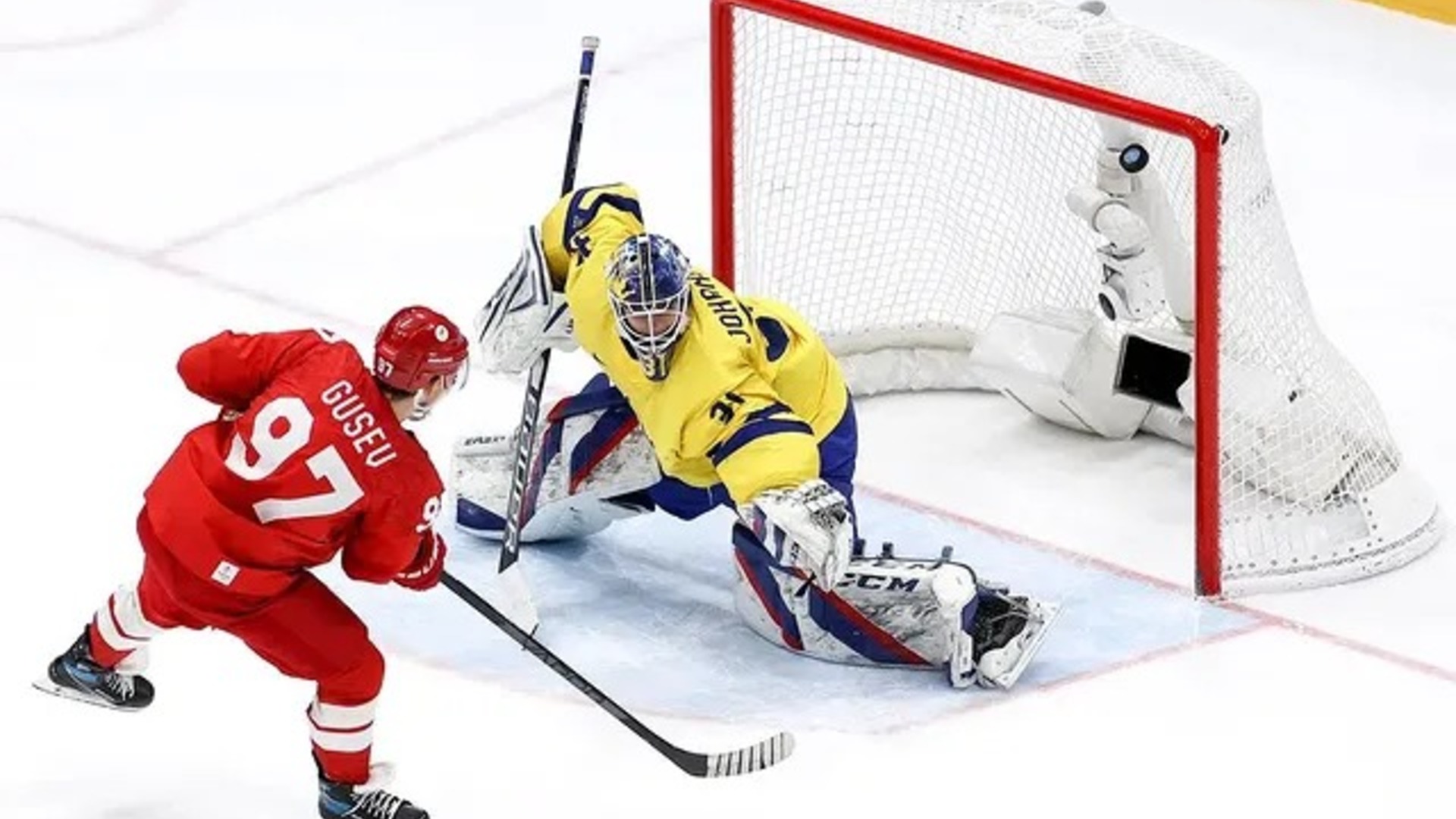
Image credit : @nikitagusev97fan on Instagram
The penalty shootout is basically the ultimate nerves test in ice hockey, and it turns a whole team game into this lone, mental face off, where it’s really just the shooter against the goaltender. If overtime can’t decide it, well then the pressure all falls onto the goalie standing between the pipes. Winning in that moment isn’t just “being fast”, it’s this careful mix of body control, mechanical accuracy, and tactical thinking too. When you look closely at what actually leads to a game-winning save, you see right away that beating a shooter isn’t only a reflex thing, it’s much more than quick reactions.
Spatial control
A goaltender’s position while the approach starts will set what the shooter can realistically aim at. As the attacker moves in from center ice, the goalie has to challenge hard by coming out toward the top of the crease, cutting shooting lanes down and limiting what the net looks like for the player. The moment that really matters is near the end as the shooter closes space, because the goalie has to slide back in a controlled way, matching the attacker’s speed while staying deep enough. If the goaltender keeps that center-line alignment steady, they cover more of the net area physically, and suddenly the shooter has to take riskier attempts close to the posts, not the comfortable stuff.
Biomechanical precision
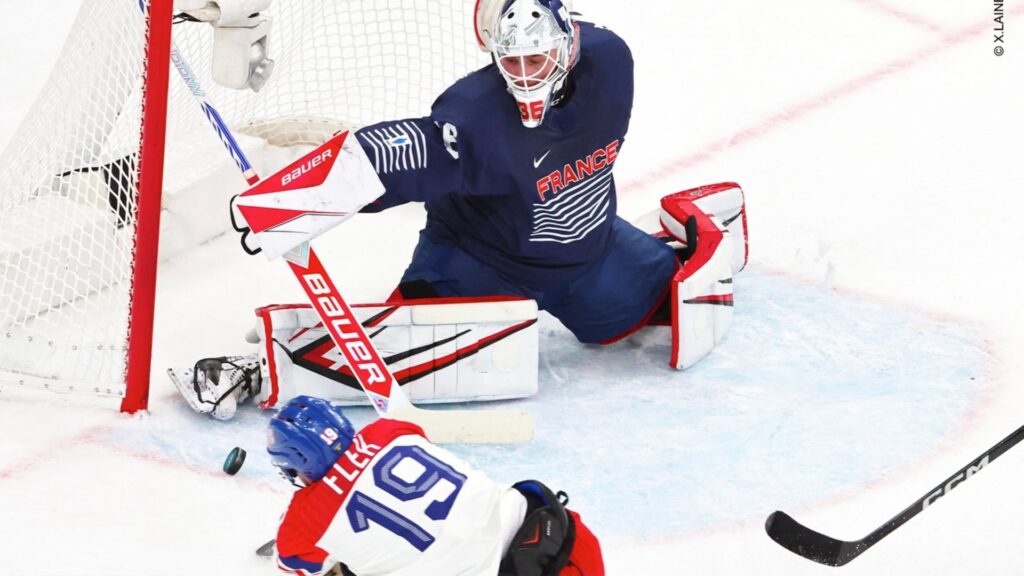
What happens in that final split second is where everything gets decided. Goaltenders depend on lateral movement, using sharp edge work to run the butterfly slide cleanly and to push off the post with a solid timing. Staying in a tight “default” posture helps a lot too, with the glove held high and the blocker lined up by the stick so there aren’t easy first looks. If the shooter goes for a deke- the goalie has to move their weight smoothly across the crease without losing structure or dropping too soon, so the pads stay sealed to the ice and the low shots don’t sneak through.
Psychological warfare
Beyond technical skill, the shootout feels like a high-velocity chess thing, anchored in anticipation, and visual tracking. Elite goaltenders study opponent tendencies before the session starts, catching preferred move patterns, release points, and stick handling habits. In the approach phase- the goalie locks in hard on the puck along with the shooter’s blade, watching for tiny cues like shoulder drops or shifts in hand positioning that hint at a pass, a shot or even a convincing fake. By not fully committing too soon, the goaltender makes the attacker decide first, and that helps land the crucial save which then seals the victory.
About the Author