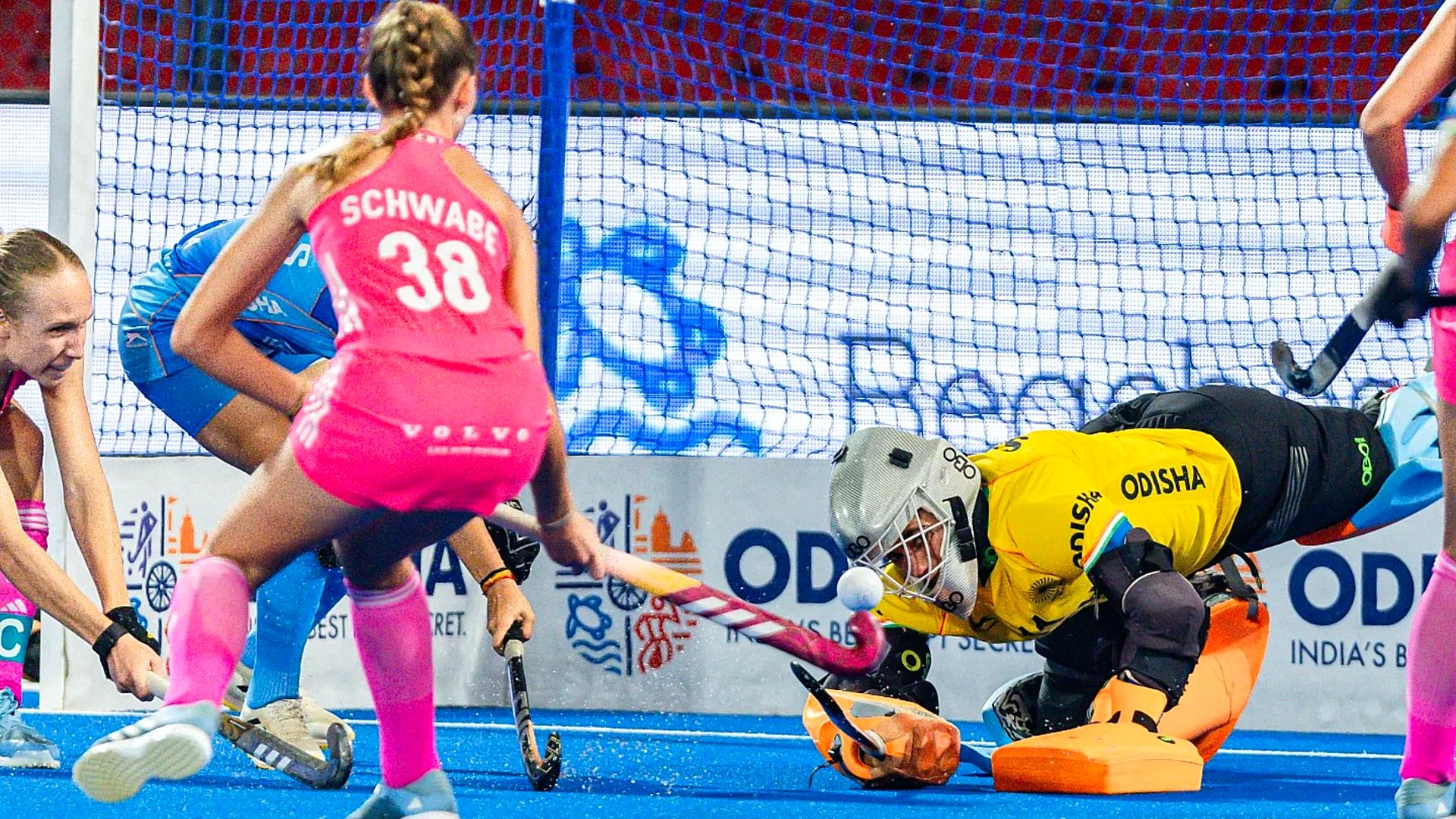
Image credit : @hockeyindia on Instagram
Penalty shootouts in field hockey are known as one of the most mind-bending and technically heavy moments you get in sport these days. They were brought in by the International Hockey Federation, basically to swap out the older penalty stroke way of breaking ties, and the whole idea is that you get this 8-second sprint type showdown. An attacker goes at a goalkeeper from the 23-meter line, and it turns into this fast back and forth where everything feels pressured, like too fast for comfort. Unlike soccer, where you can just plant yourself and fire from a fixed spot, field hockey makes you keep moving, think in a split second, and track space really well, for both sides, not just the shooter.
Rules & mechanics
In this format, the attacker has eight seconds to move the ball into the shooting circle and score on the keeper. The rules are pretty strict: the attacker has to stay in continuous motion, forward or sideways. If they stall or drift backward, it’s basically over right away, and it ends with a penalty termination. A goal counts when the ball fully passes the goal line within that time limit, as long as nothing foul-y happens from the attacking side. On the other hand, the goalkeeper has to start behind the goal line until the referee gives the go, then they can come out to squeeze the shooting angle down.
Goalkeeping & defense
Keeping success alive for the goalkeeper usually comes down to placement, quick reactions, and a lot of calm timing in that one-on-one moment. Modern keepers lean on specialized gear- padded leg guards, kicker boots, and hand protectors- made to stop hard shots and also deal with slide-tackle style threats. In general, goalkeepers who manage to stay upright longer tend to make attackers fight for worse, tighter angles, which cuts the chances of scoring a lot, considering it’s only those eight seconds. They also have to read the attacker’s body language, then decide when to sweep or slide to clear the ball without stepping into a foul. That whole “wait just long enough, then commit cleanly” thing is the defensive gold standard.
Attacking techniques
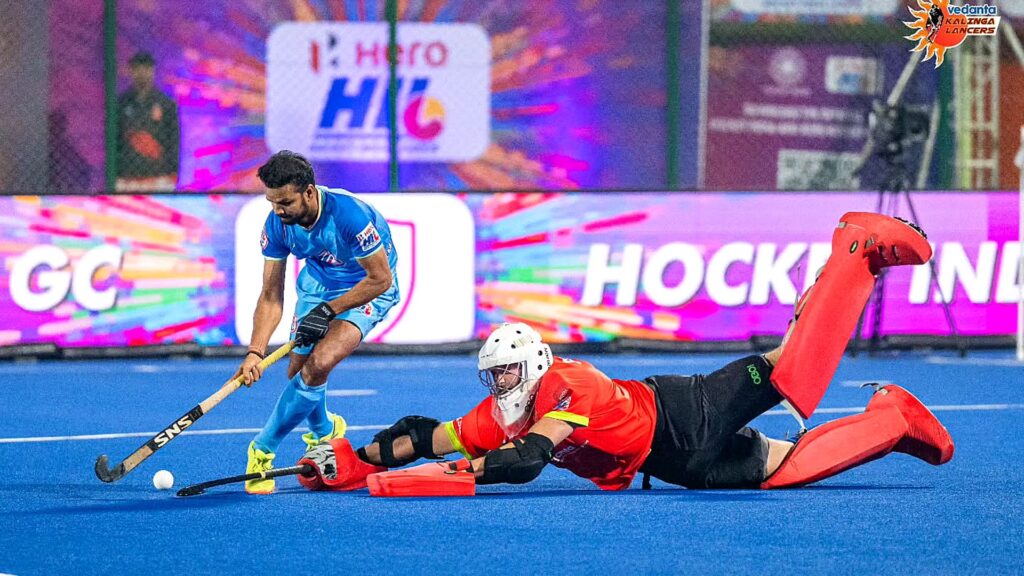
Shooters use a bundle of tricks to slip past the goalkeeper, and to open up some clear lanes toward the goal. Usual moves include rapid stickhandling, sudden shifts in direction, dummy attempts, and even lofting the ball over a diving goalkeeper, using that delicate touch that feels almost 3D in the air. The key is staying in control with the stick while moving fast and constantly checking how much time is left, because you need the shot to happen inside the circle before the horn. Really, getting good at this discipline means you need physical precision plus tactical flexibility, and also that cold-headed composure, right when everything feels too intense.
About the Author